

Summary
|
Treatment for snoring and obstructive sleep apnea (OSA) depends on the severity of airway obstruction. Mild cases may improve with lifestyle changes such as weight loss, quitting smoking, allergy management, avoiding alcohol or sedatives, and changing sleep position. Moderate to severe OSA is most effectively treated with airway pressure therapies like CPAP, APAP, BiPAP, or EPAP, which keep the airway open during sleep and significantly reduce health risks. For select patients with snoring or mild sleep apnea, custom oral appliances can reposition the jaw to improve airflow. An ENT evaluation helps determine the most appropriate treatment based on individual anatomy and sleep study results.
Treatments for Snoring & Sleep Apnea
For milder cases of sleep disordered breathing, eliminating contributing factors can result in significant improvement:
- Weight loss: Studies indicate a 10% weight loss decreased breathing cessation by 26%.
- Quitting smoking
- Allergy treatment
- Elimination of alcohol and sedative use (particularly near bedtime)
- Change in body position during sleep: Sleeping supine (on the back) can allow lax tongue muscles to fall back into the throat. Repositioning to the side or stomach, or propped up can improve SDB.
For moderate to severe OSA, treatments which open up the blocked airway are available.
Continuous Positive Airway Pressure (CPAP)
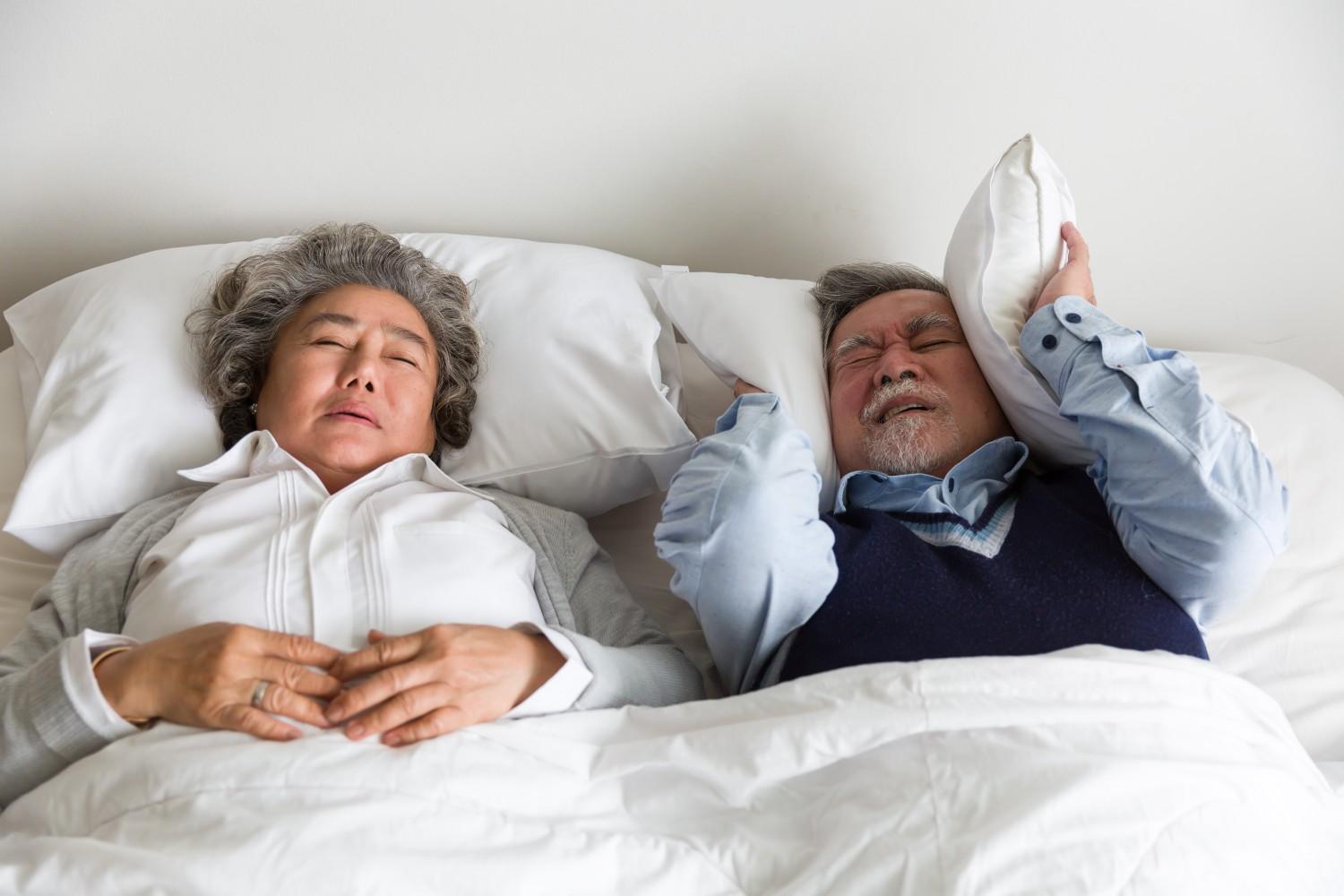
Continuous positive airway pressure is considered to be the most effective treatment for moderate to severe OSA. During sleep, a machine delivers continuous air pressure through a mask that covers the nose. This air pressure keeps the airway passages open eliminating snoring, apneas, and hypopneas. CPAP is especially helpful for patients with an RDI higher than 20. Patients who regularly use nasal CPAP treatment are reported to have significant improvements including:
- Feeling more rested after the first night of treatment
- More normal sleep patterns after 1 week
- Improved insulin sensitivity and blood pressure
- Improved quality of life and daytime functioning
- Less depressive symptoms
- Increased vagal tone and cardiac output
- Reduced risk of cardiovascular mortality
Some patients experience tolerance problems, difficulty with the initial pressure, claustrophobia, and some minor side effects with CPAP.
Other airway pressure devices that are available for obstructive sleep apnea include:
- Expiratory positive airway pressure (EPAP): Available as a prescription or over-the-counter, EPAP uses a recently developed technology consisting of single use devices which are placed over the nostrils. A valve redirects air through small holes that create resistance when the patient exhales, keeping the airway open.
- Autotitrating positive airway pressure (APAP): Pressure is continually adjusted as the patient sleeps.
- Bi-level positive airway pressure (BiPAP): Provides more pressure during inhaling and less when exhaling.
Oral Appliances to Treat Snoring and Obstructive Sleep Apnea
For some patients, a mandibular repositioning device (MRD), or mouthpiece, can improve the anatomy of the airway and alleviate snoring and mild sleep apnea. These devices, custom made by a dentist, are adjustable and open the throat by holding the lower jaw in a forward position while the patient sleeps.
If you have any issues with snoring or possibly obstructive sleep apnea please call our office at 817-332-8848 to set up an appointment or submit an online appointment request.

Frequently Asked Questions
Lifestyle changes—like losing weight, quitting smoking, managing allergies, avoiding alcohol or sedatives before bed, and adjusting sleep positions—can significantly reduce snoring and mild sleep apnea. However, moderate to severe cases usually require medical therapies like CPAP, BiPAP, or oral appliances for effective treatment.
Continuous Positive Airway Pressure (CPAP) delivers steady air pressure through a mask while you sleep, keeping your airway open. It reduces snoring, prevents breathing interruptions, improves sleep quality, lowers blood pressure, and decreases long-term cardiovascular risks associated with untreated sleep apnea.
Oral appliances, such as mandibular repositioning devices (MRDs), are most effective for mild to moderate sleep apnea. They reposition the lower jaw to keep the airway open. While they may not match CPAP’s effectiveness for severe cases, many patients prefer them for comfort and ease of use.
Some patients experience initial discomfort, nasal congestion, dry mouth, minor skin irritation, or claustrophobia when using CPAP or other airway pressure devices. Adjustments to mask fit, pressure settings, or trying different device types can usually resolve these issues.
If you experience loud snoring, daytime fatigue, pauses in breathing during sleep, or morning headaches, an ENT evaluation is recommended. The ENT can assess your airway anatomy, recommend sleep studies, and determine the most appropriate treatment—ranging from lifestyle changes to CPAP or oral appliances.