
Summary:
|
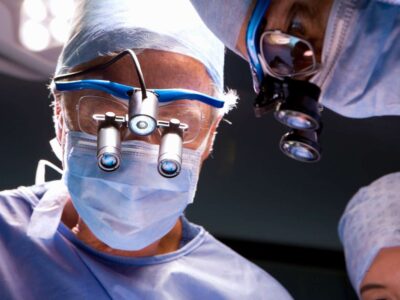
If you’ve been living with constant nasal blockage, facial pressure, or recurring sinus infections, you already know how exhausting sinus problems can be. When medications stop working, endoscopic sinus surgery often becomes the next step toward relief.
This minimally invasive procedure is designed to open up blocked sinus passages, restore airflow, and reduce inflammation. But the success of the surgery doesn’t depend on the operation alone; sinus surgery preparation and recovery play a major role in the outcome.
This guide walks you through everything you need to know: what the surgery involves, how to prepare, what to expect afterward, and practical recovery tips that actually make a difference.
What is Endoscopic Sinus Surgery?
Endoscopic sinus surgery serves as a contemporary surgical technique that requires minimal patient disruption to treat chronic sinusitis and associated medical conditions that do not respond to conventional drug treatments.
Surgeons perform their operations through the nostrils by inserting an endoscope, which consists of a slim, flexible tube that enables them to see inside the sinuses and extract obstructing materials.
Understanding Sinusitis
Sinusitis occurs when the sinus cavities become inflamed and filled with mucus. This can be due to infections, allergies, or structural issues.
Common symptoms include:
- Persistent nasal congestion
- Thick nasal discharge (yellow or green)
- Facial pain or pressure (especially around the eyes and forehead)
- Reduced sense of smell
- Headaches and fatigue
Healthy sinuses help filter air, produce mucus, and support your immune system. When blocked, they become a breeding ground for infection, leading to recurring discomfort.
What Are the Benefits?
When done for the right reasons, endoscopic sinus surgery can significantly improve quality of life.
Here’s what patients typically experience:
- Improved drainage: Blocked sinus openings are widened, allowing mucus to flow naturally
- Reduced inflammation: Removing diseased tissue helps calm chronic swelling
- Fewer infections: Better airflow reduces bacterial buildup
- Enhanced medication effectiveness: Nasal sprays and rinses reach deeper into the sinuses
- Better breathing and sleep: Relief from long-term nasal obstruction
Many patients notice that everyday issues, like constant congestion or poor sleep, gradually fade after recovery.
Are There Any Alternatives?
Surgery is usually not the first option. Doctors typically recommend less invasive treatments first.
Common non-surgical approaches include:

- Antibiotics: For bacterial infections
- Antihistamines: To control allergy-related symptoms
- Nasal steroid sprays: Reduce swelling and shrink polyps over time
- Saline rinses: Help clear mucus and irritants
- Decongestants: Provide short-term relief
If these methods fail to provide lasting improvement, surgery becomes a more practical solution.
What Does the Procedure Involve?
Understanding the procedure helps reduce anxiety and prepares you mentally.
- Anesthesia: Usually general anesthesia, though some cases use local anesthesia
- Duration: Around 1 to 2 hours, depending on complexity
- Approach: No external cuts, everything is done through the nostrils
- Technique: Surgeons remove blockages, polyps, or damaged tissue and enlarge sinus openings
Because it’s minimally invasive, the procedure typically involves less pain and quicker recovery compared to traditional sinus surgery.
How Can I Prepare for the Procedure?
Preparation isn’t just a checklist; it directly impacts how smoothly your surgery and recovery go.
1. Stop Smoking
Smoking slows healing and increases the risk of complications. If possible, stop at least 2–3 weeks before surgery.
2. Maintain a Healthy Weight
A balanced weight reduces strain on your body during anesthesia and recovery. Even small improvements can make a difference.
3. Stay Physically Active
Light exercise improves circulation and lung function, which helps your body recover faster after surgery.
4. Review Medications
Your doctor may ask you to stop certain medications, like blood thinners or anti-inflammatory drugs, before surgery.
5. Focus on Hygiene & Infection Prevention
Avoid crowded places, stay hydrated, and maintain good hygiene to reduce the risk of infection before surgery.
6. Plan Your Recovery in Advance
- Arrange transportation for the day of surgery
- Stock up on soft foods and medications
- Prepare a comfortable resting space at home
Being prepared reduces stress and helps you focus on healing.
What Complications Can Happen?
While generally safe, like any surgery, there are potential risks.
General Risks
- Bleeding
- Infection
- Reaction to anesthesia
- Blood clots
- Chest infections
Specific Risks
- Persistent nasal dryness or crusting
- Temporary loss or reduction of smell
- Scar tissue formation
- Rare injury to the surrounding areas (such as the eye or skull base)
It’s important to remember that serious complications are uncommon, especially when performed by experienced specialists.
What Happens After the Procedure?
Immediately After Surgery
Most patients go home the same day. In some cases, you may stay overnight, especially if nasal packing is used.
Common Post-Surgery Symptoms
- Mild bleeding or discharge
- Nasal congestion
- Fatigue
- Slight discomfort or pressure
These are normal and usually improve within a few days.
Recovery Tips That Actually Help

Recovery is where many patients either speed up healing or unknowingly delay it.
1. Use Saline Rinses Regularly
This keeps the nasal passages clean and prevents crust buildup.
2. Avoid Straining
No heavy lifting, bending, or intense exercise for at least 1–2 weeks.
3. Keep Your Head Elevated
Sleeping with your head slightly raised helps reduce swelling.
4. Stay Hydrated
Fluids thin mucus and support healing.
5. Follow Medication Instructions Strictly
This includes antibiotics, nasal sprays, or pain relief prescribed by your doctor.
6. Attend Follow-Up Appointments
Your doctor may clean the sinuses and check healing progress, these visits are essential.
7. Be Patient with Recovery
Full healing can take several weeks. Breathing improves gradually, not overnight.
Take the Right Step Toward Lasting Relief
Chronic sinus problems impact all aspects of life, including sleep patterns and daytime work efficiency. Endoscopic sinus surgery provides dependable, long-lasting results when other treatment methods fail to produce results.
Your success depends on two factors, which include your surgical procedure and your preparation and recovery process. Your surgical outcomes will improve through three small changes: you should stop smoking, and you must establish an appropriate recovery plan, and you need to comply with post-operative instructions.
You can get expert help at Fort Worth ENT & Sinus to guide you through the decision-making process for this procedure and develop a personalized treatment plan based on your specific requirements.
Book a consultation today and take the first step toward easier breathing and a better quality of life.
FAQs
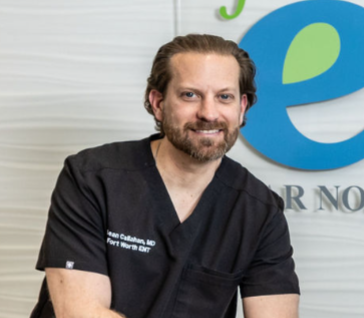
Dr. Sean Callahan is a Board Certified Otolaryngologist at Fort Worth ENT & Sinus. Dr. Callahan performs surgery in all aspects of otolaryngology including pediatric ENT/Sinus, otology, rhinology, and sinus surgery, head and neck cancer surgery, salivary gland surgery, thyroid and parathyroid surgery, trauma, laryngology, allergy, and sleep medicine. Dr. Callahan completed his otolaryngology residency training at UT Southwestern Medical Center in Dallas in 2012. He was Board Certified by the American Board of Otolaryngology in 2013.
