

Summary
|
Having surgery such as a thyroidectomy may seem intimidating but knowing what to expect can help you feel more prepared. This may include concerns about anaesthesia, healing, eating, voice changes and thyroid medication. Knowing what to expect will help you feel less overwhelmed.
The thyroid is a small butterfly shaped gland which is located at the front of the neck. This gland produces hormones which help regulate our metabolism, energy levels, heart rate, body temperature and other important body functions. Occasionally surgery may be recommended if there are problems with thyroid nodules, cancer, enlargement or certain thyroid disorders.
Below is what you can expect from thyroidectomy surgery.
What Is a Thyroidectomy?
A thyroidectomy is a type of operation to remove some or all of your thyroid.
There are two types commonly performed:
-A partial thyroidectomy (lobectomy) where just one lobe (side) is removed.
-A total thyroidectomy where all the thyroid is removed.
-The type of thyroidectomy will depend on the cause of your problem, the size and position of any nodules, tests and other factors discussed with your medical team.
Why might you need a thyroidectomy?
You may be advised to have thyroid surgery if:
-You have thyroid cancer or a suspicious nodule
-Your thyroid is enlarged (goitre)
-You have nodules causing pressure or pain
-In some cases of hyperthyroidism
-You are having difficulty swallowing or breathing due to an enlarged thyroid
-For cosmetic reasons due to a large thyroid.
Not all thyroid nodules or enlarged thyroids require surgery, it depends on your individual diagnosis.
Symptoms That May Lead to Thyroid Surgery
Enlarged Thyroid Gland
An enlarged thyroid can cause a visible lump or swelling at the base of the neck. Some people may feel a lump when looking in the mirror, whilst others may experience pressure or discomfort around the throat.
If an enlarged thyroid is causing problems with surrounding structures or is growing further, surgery may be required to treat an enlarged thyroid gland.
Difficulties Swallowing or Breathing
Sometimes a large thyroid or nodule can cause pressure on the oesophagus or airway. This can cause a feeling of pressure, difficulty swallowing, a feeling of a lump in the throat and difficulty breathing, especially when lying down.
Depending on the cause of difficulties swallowing, the correct treatment will be advised. If the thyroid is enlarged, treating the thyroid may help ease pressure.
Thyroid Nodules and Cancer
Many thyroid nodules are benign and will not require surgery. Further investigations may be done by your doctor such as blood tests, ultrasound and sometimes a fine needle aspiration biopsy.
If the nodule is suspicious or cancer has been diagnosed, removal of the thyroid (thyroidectomy) may be advised.

What to Expect Before Thyroidectomy Surgery
Your doctor will conduct a detailed medical history. This will include looking at your thyroid, any medications, allergies and previous procedures.
You may have blood tests, thyroid scans, ultrasound and/or biopsy. The surgical team will discuss the procedure, anaesthetic and any risks involved.
Pre-operative tests
-Blood tests to check thyroid hormone levels.
-Ultrasound of thyroid/neck.
-Fine needle biopsy if indicated.
-Further imaging if indicated.
-General health and anaesthetic assessment.
This helps the surgical team understand your condition and provide the safest treatment.
Medication
Make sure that you tell your medical team about any prescription drugs, over the counter drugs, vitamins and supplements you are taking. Some medications may need to be altered.
You will be given instructions on when to stop eating and drinking and when to take or stop taking your normal medications.
What Happens During Thyroidectomy?
Thyroidectomy is usually carried out under general anaesthetic so you will be asleep during the operation. An incision will be made in the lower part of your neck and the diseased thyroid tissue will be removed carefully.
During the surgery the surgeon will work around important structures such as nerves which control your voice box and the small parathyroid glands which help to control calcium levels.
How long does thyroidectomy surgery last?
Thyroidectomy surgery can vary in length. A simple partial thyroidectomy may take less time than a complex operation where the whole thyroid or surrounding tissue is removed.
This does not include the time it takes to prepare for surgery, have the anaesthetic and recover.
Will I have to stay in hospital after surgery?
Some people can go home the same day whilst others may need to stay in for observation. This will depend on what type of surgery you have, your general health and what your surgeon recommends.
What to Expect Immediately After Thyroidectomy
Some soreness and tightness around the neck are normal during the early recovery period. You may also experience:
- Mild throat irritation
- Temporary swallowing discomfort
- Fatigue
- Neck soreness
- Temporary hoarseness or voice changes
Your care team will explain which symptoms are expected and which ones should be reported.
Caring for the Incision
Follow your surgeon’s instructions for caring for the incision. Keep the area clean and avoid unnecessary rubbing, pressure, or irritation.
The scar may look more noticeable initially but generally changes in appearance as it heals.
Managing Pain and Discomfort
Postoperative discomfort is usually manageable with medication recommended by your surgical team. Take medications exactly as directed and contact your doctor if pain becomes unusually severe or continues to worsen.
Recovery After Thyroidectomy
Everyone will recover differently. Many people will gradually return to doing their everyday activities.
You will need to follow your surgeon’s advice on what physical activity you can do, how much weight you can lift, driving and returning to work during the initial recovery period. It is common to feel tired for a short period of time after your surgery.
Eating and Drinking
You may find your throat is sore or swallowing uncomfortable. Eating softer foods may be more comfortable initially.
If you are having ongoing or increasing difficulty swallowing then you should talk to your doctor.
Voice
You may experience temporary hoarseness following your thyroid surgery. This can be due to irritation from the breathing tube or changes in the nerves controlling your vocal cords.
As these nerves are close to your thyroid you should report any ongoing changes to your voice to your surgeon or ENT specialist.
Will I Need Thyroid Hormone Medication?
This depends largely on how much thyroid tissue remains.
After a total thyroidectomy, the body generally cannot produce thyroid hormone on its own, so lifelong thyroid hormone replacement is usually needed.
After a partial thyroidectomy, the remaining thyroid tissue may produce enough hormone for some patients. Follow-up blood tests help determine whether medication is necessary and whether the dosage is appropriate.
Possible Risks and Complications of Thyroidectomy
Like any surgery, thyroidectomy has potential risks, although serious complications are not common.
Bleeding or Neck Swelling
Significant bleeding or rapidly increasing swelling in the neck can affect the airway and requires immediate medical attention.
Changes in Calcium Levels
The parathyroid glands help control calcium levels in the body. If their function is temporarily affected after surgery, calcium levels may fall. Symptoms can include tingling around the mouth or in the hands and feet, or muscle cramping.
Voice Changes
Because important vocal cord nerves run near the thyroid, temporary or, less commonly, persistent voice changes can occur.
Infection and Scarring
Infection is possible but uncommon. A surgical scar is expected, and its appearance typically changes as healing progresses.
When to Call Your Doctor After Thyroidectomy
Contact your medical team promptly if you experience:
- Increasing neck swelling
- Significant or worsening swallowing difficulty
- Fever or signs of infection
- Heavy bleeding from the incision
- Persistent or worsening voice changes
- Tingling around the mouth, hands, or feet
- Muscle cramping
Difficulty breathing or rapidly increasing neck swelling requires urgent medical attention.
Thyroidectomy Recovery: What Is the Outlook?
Most patients gradually return to their usual routines after recovery. Follow-up appointments are important for checking healing, thyroid hormone levels, and any additional treatment that may be needed.
If thyroid tissue was removed because of suspected or confirmed cancer, the tissue will typically be examined by a pathologist. Further monitoring or treatment depends on the specific diagnosis.
Non Surgical Treatment Options For An Enlarged Thyroid
Not all cases of an enlarged thyroid will require surgery. Depending on the cause of your thyroid enlargement, you may require monitoring, medication, treating any underlying thyroid issues or an option of radioactive iodine in some cases.
Surgery may be considered if you are experiencing significant pressure symptoms, difficulty breathing/swallowing, any suspicious findings or other concerns.
It is important to have an assessment to determine what your treatment options are.
When Would I Require Surgery For Thyroid Difficulty Swallowing?
There are many causes of difficulty swallowing. If your thyroid is enlarged or has a nodule causing compression, then you may be treated to reduce this. Having imaging and a clinical examination can help determine if it actually is your thyroid causing issues. However, if you are having ongoing swallowing issues it is always best to have an assessment.
Questions to Ask Your ENT or Thyroid Surgeon Before Surgery
Before your procedure, consider asking:
- Why do I need a thyroidectomy?
- Do I need a partial or total thyroidectomy?
- Are there alternatives to surgery?
- What tests do I need beforehand?
- Will I need thyroid hormone medication afterward?
- Could surgery affect my voice or swallowing?
- How long might my recovery take?
- When can I return to work and normal activities?
- What symptoms should prompt me to contact the surgical team?
Conclusion
A thyroidectomy is a well-established treatment for several thyroid conditions, but the decision to have surgery depends on the individual’s diagnosis, symptoms, test results, and overall health. Understanding what happens before and after the procedure can help you feel more prepared and know what to expect during recovery.
An enlarged thyroid, suspicious nodule, or thyroid-related swallowing problem should be properly evaluated before treatment is selected. At Fort Worth ENT & Sinus, patients can receive specialized evaluation and care for thyroid, head, and neck conditions, with treatment plans based on their specific needs.
FAQS
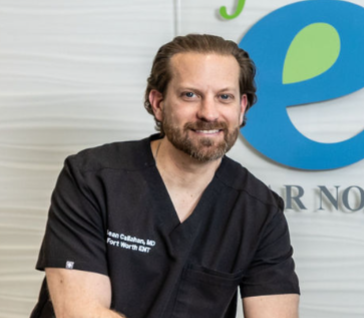
Dr. Sean Callahan is a Board Certified Otolaryngologist at Fort Worth ENT & Sinus. Dr. Callahan performs surgery in all aspects of otolaryngology including pediatric ENT/Sinus, otology, rhinology, and sinus surgery, head and neck cancer surgery, salivary gland surgery, thyroid and parathyroid surgery, trauma, laryngology, allergy, and sleep medicine. Dr. Callahan completed his otolaryngology residency training at UT Southwestern Medical Center in Dallas in 2012. He was Board Certified by the American Board of Otolaryngology in 2013.
 Nasal Fracture Resulting in Closed Nasal Reduction: What to Know
