

Stapedectomy for Otosclerosis
At Fort Worth ENT, our ear doctors treat otosclerosis, a disease of the middle ear bones and sometimes the inner ear. Otosclerosis is a common cause of hearing impairment and is rarely hereditary. A stapedectomy procedure can improve hearing loss due to otosclerosis.
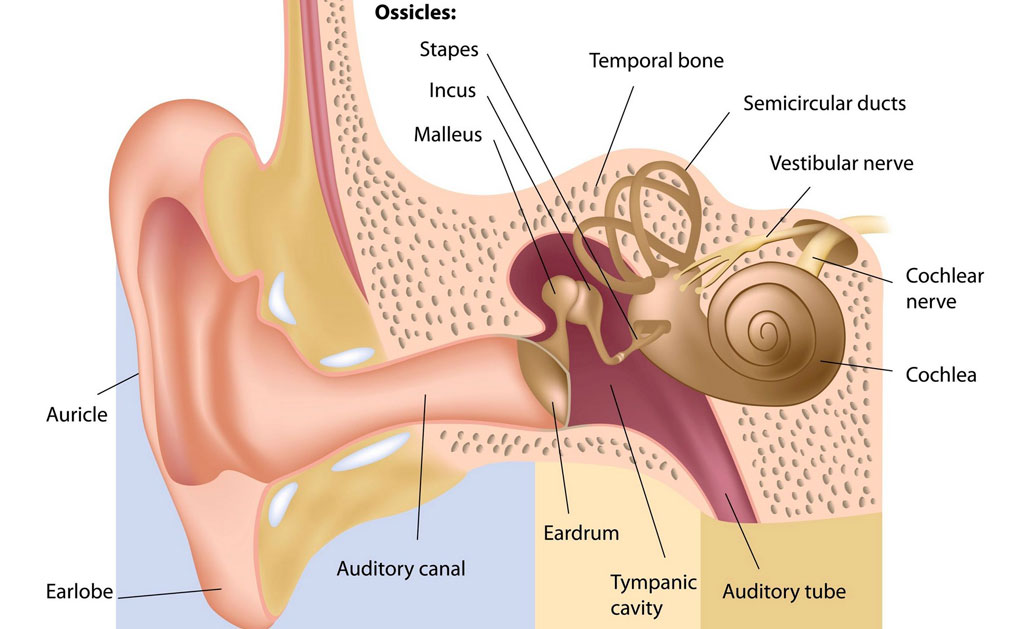 Function of the Normal Ear
The ear is divided into three parts; the external ear, the middle ear, and the inner ear.
Types of Hearing Impairment
- Hearing Impairment from Otosclerosis
- Cochlear Otosclerosis
- Stapedial Otosclerosis
Treatment of Otosclerosis
- Medical
- Hearing Aids
- Surgical
Surgical Stapes Operation (Stapedectomy)
The stapes operation (stapedectomy) is recommended for patients with otosclerosis who are candidates for surgery. Over 90 percent of these operations are successful in restoring the hearing permanently.
Surgical Description
Stapedectomy or stapedotomy is performed through the ear canal under local or general anesthesia.
Hearing Improvement Following Stapes Surgery
Risks of Surgery:
- Hearing loss
- Tinnitus
- Dizziness
- Taste Disturbance and Mouth Dryness
- Eardrum Perforation
- Weakness of the Face
- Hearing Aids
If you would like an appointment with one of our physicians at Fort Worth ENT & Sinus please complete an online appointment request or phone 817-332-8848.

Frequently Asked Questions
You may be a candidate if you have hearing loss caused by otosclerosis that has been confirmed through hearing tests and imaging, and if your inner ear function is healthy enough to benefit from surgery. Your ENT specialist will carefully evaluate your hearing, medical history, and overall ear health before recommending the procedure.
Most patients return home the same day. Mild dizziness or imbalance can occur for a few days, but this usually improves quickly. Many people resume normal daily activities within one to two weeks, though your physician may recommend avoiding heavy lifting, air travel, or water exposure for a short period.
Hearing improvement is often noticed gradually as the ear heals. Some patients experience improvement within a few weeks, while others notice continued gains over several months as swelling subsides and the ear fully recovers.
For most patients, stapedectomy provides long-term or permanent improvement in hearing. However, hearing can still change over time due to age-related factors or inner ear involvement. Regular follow-up and hearing evaluations help monitor long-term outcomes.
Yes, but surgery is typically performed on only one ear at a time. If both ears are affected, the second ear is usually considered after the first ear has fully healed and hearing results are stable.