

Summary
|
A lymph node biopsy is a diagnostic procedure used to determine the cause of enlarged or abnormal lymph nodes, which may be related to infection, inflammation, or cancer. During the biopsy, an ENT specialist removes all or part of a lymph node—or collects a tissue sample—for laboratory analysis. Most lymph node biopsies are performed on an outpatient basis using minimally invasive techniques, with results typically available within several days. The procedure helps guide appropriate diagnosis and treatment when lymph node swelling persists or appears abnormal on imaging studies.
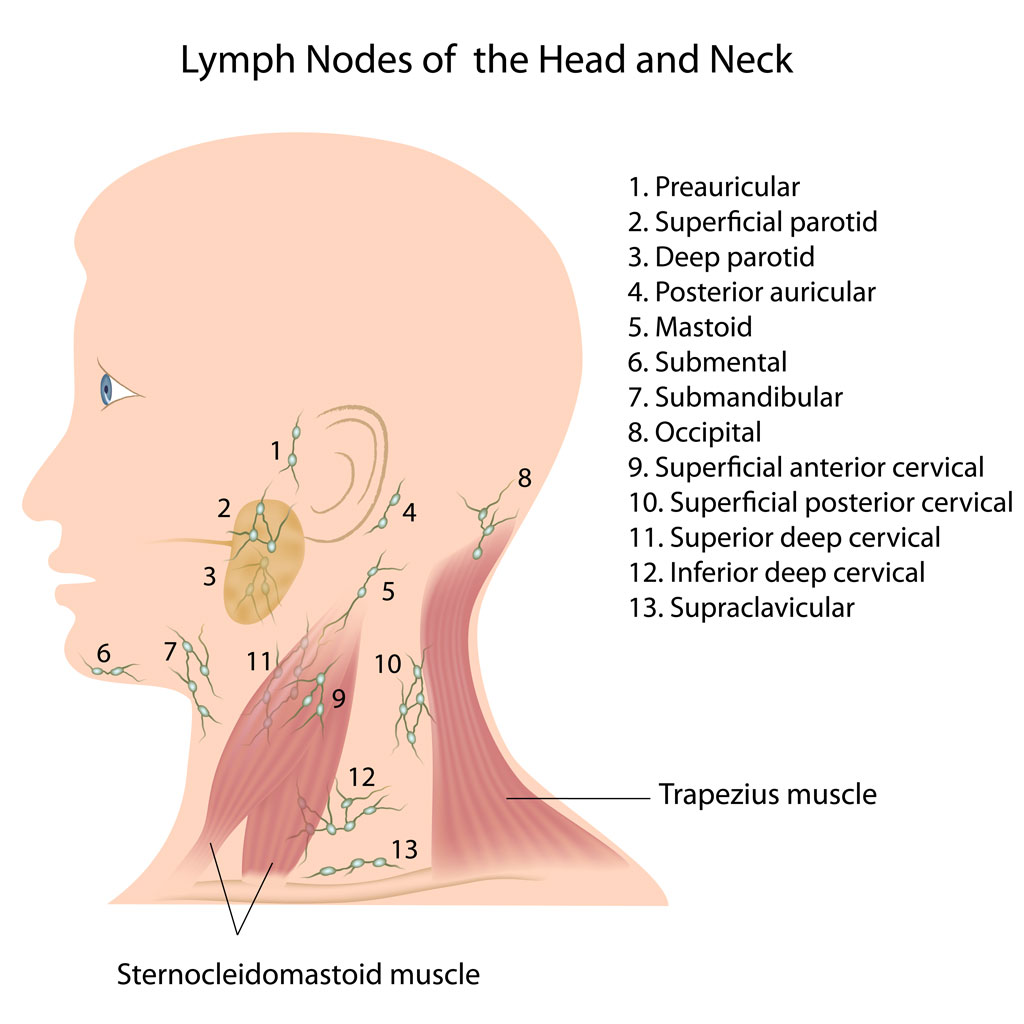 What is a Lymph Node Biopsy?
A lymph node biopsy is a medical procedure that is performed to identify or check for specific diseases, infections, and/or disorders that may be present in the body. During a lymph node biopsy, our Fort Worth ENT surgeon removes and examines all or part of a lymph node. The lymphatic system is important for fighting disease or infection and maintaining ear, nose, and throat health.
Lymph nodes are scattered throughout the body. They are part of the body’s immune system. These nodes help fight infection by producing special white blood cells. They also work by trapping bacteria, viruses, and cancer cells. Normally, lymph nodes cannot be felt unless they are swollen. Infection, usually by a virus, is the most common cause of lymph node swelling. Other causes include bacterial infection and cancer.
Swollen lymph nodes typically do not require medical treatment; however, your ENT specialist may want to monitor any enlarged lymph nodes to ensure no other problems arise. If the lymph nodes in question remain enlarged or grow, your doctor may recommend a lymph node biopsy. A biopsy may also be performed if abnormal nodes appear on an MRI or CT scan.
How is a Lymph Node Biopsy Performed?
A lymph node biopsy is typically performed on an outpatient basis and may be done at a surgical center, hospital, or doctor’s office, depending on what type of biopsy is required. The lymph node may be partially or entirely removed (lymphadenectomy), or a sample of fluid, cells, or tissue from the lymph node may be taken. In any case, the node or sample will be sent to a pathology lab for testing.
Types of lymph node biopsies include:
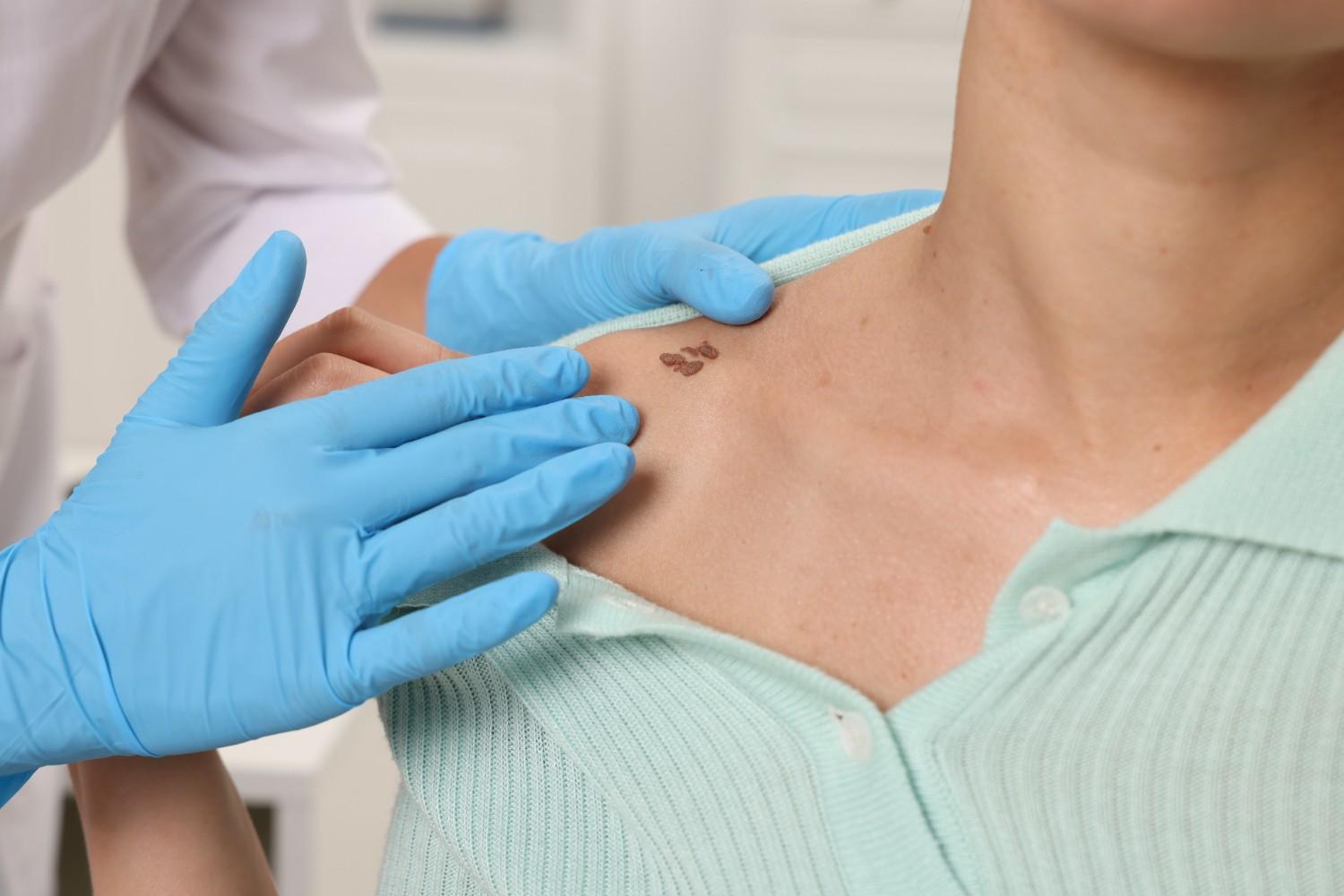
Fine needle aspiration (FNA): A thin needle with a hollow tube is inserted into the lymph node to remove fluid and sample cells for testing. A fine-needle aspiration is usually completed within 10-15 minutes, and there is little to no patient down time.
Core needle biopsy: This biopsy is similar to a fine needle aspiration, except a larger needle is used. With the larger hollow center, a small block of tissue can be removed for testing, allowing more information to be collected than with fluid or cells. Local anesthesia is typically utilized, and the procedure lasts approximately 15-30 minutes.
Open biopsy: Your ENT surgeon cuts a small incision in order to remove part or all of the lymph node. The procedure is most often performed with local anesthesia applied to the biopsy site, but general anesthesia may also be used in cases where it is desirable for the patient to be sleeping. An open biopsy usually takes less than an hour, and afterward, your surgeon will close the site with sutures and apply a bandage. The incision takes approximately 10-14 days to heal, during which strenuous activity should be avoided.
After a Lymph Node Biopsy
After your biopsy, the surrounding area may be tender for a few days, and you may experience some bruising. Over-the-counter pain medications (such as ibuprofen and acetaminophen) will control/alleviate discomfort in most cases. Keep the biopsy site clean and dry to prevent complications, such as infection.
Call your ENT doctor if you experience:
- Extreme pain at the biopsy site
- Swelling
- Fever/chills
- Discharge or bleeding from the biopsy site
When Will I Get My Lymph Node Biopsy Results?
Biopsy test results are usually available within 5-7 days of the procedure although, on the less invasive biopsies, results can be much faster. Fine needle aspiration results can come back within a day in some cases, while some biopsy results can take 7-10 days due to the testing being performed. In any case, you should not be worried simply because your test results take longer than expected, as length of wait time has no bearing on results. If you have questions regarding your lymph node biopsy, please feel free to contact our office.
If you would like an appointment with one of our physicians at Fort Worth ENT & Sinus please complete an online appointment request or phone 817-332-8848.

Frequently Asked Questions
Yes. Lymph node biopsies are considered very safe procedures. Complications are uncommon and usually minor, such as temporary soreness, bruising, or mild bleeding. Serious risks like infection or nerve injury are rare, especially when performed by an experienced ENT specialist.
Fine needle and core needle biopsies typically leave little to no visible scarring. An open biopsy may leave a small scar at the incision site, but it usually fades over time and is often placed in a natural skin crease when possible.
Preparation is usually minimal. Your doctor may ask you to stop certain medications, such as blood thinners, prior to the procedure. You should inform your ENT specialist about any medications, allergies, or medical conditions before the biopsy.
Most patients can return to normal activities the same day or the following day, especially after fine needle or core needle biopsies. If an open biopsy is performed, your doctor may recommend a short period of rest and avoiding strenuous activity for several days.
If abnormal cells are found, your ENT specialist will review the results with you and discuss next steps. This may include additional testing, imaging, referral to a specialist, or developing a treatment plan tailored to the diagnosis.