
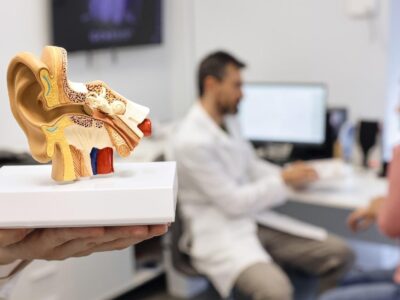
Summary: A perforated eardrum is a tear or hole in the membrane separating the outer and middle ear.
|
Ear problems are easy to ignore at first. A little discomfort after a cold, some ringing after a concert, or mild hearing loss during allergy season may not seem serious. But when symptoms continue or suddenly worsen, the issue could be a perforated eardrum.
A perforated eardrum, sometimes called a ruptured eardrum, happens when a tear forms in the thin tissue separating the outer ear from the middle ear. The condition can affect hearing, balance, and overall ear health. Some cases improve naturally, while others require professional perforated eardrum treatment to prevent long-term complications.
The good news is that modern ENT care offers several effective solutions. From medications and monitoring to advanced surgical options, patients today have access to treatments that support faster healing and better hearing outcomes.
What is a Perforated Eardrum?
The eardrum is a delicate membrane that vibrates when sound waves enter the ear. These vibrations help carry sound signals to the middle and inner ear, allowing us to hear clearly.
When the membrane develops a hole or tear, sound transmission becomes weaker. At the same time, bacteria, water, and debris can pass into the middle ear more easily, increasing the risk of infection.
Some people notice immediate pain when the eardrum tears, while others experience gradual symptoms such as muffled hearing or drainage from the ear.
Perforations can vary in size. Small tears may heal without major intervention, but larger openings often require ENT interventions to restore hearing and protect the ear from repeated infections.
Common Causes of Perforated Eardrum
A perforated eardrum can happen for many reasons. In some cases, it develops after an infection. In others, sudden trauma or pressure changes damage the ear unexpectedly.
Middle Ear Infections
Middle ear infections are one of the most common causes of eardrum perforation, especially in children. During an infection, fluid and inflammation create pressure behind the eardrum. If that pressure becomes too strong, the membrane may rupture.
Many patients actually feel temporary pain relief after the rupture because the trapped pressure is released.
Injury or Trauma
Direct injury to the ear can also cause a tear. Common examples include:
- Inserting cotton swabs too deeply
- Sports injuries
- Sudden impact to the side of the head
- Accidents involving sharp objects near the ear
Even small injuries can damage the thin membrane inside the ear canal.
Loud Noises
Exposure to extremely loud sounds, such as explosions, fireworks, or gunshots, can create enough force to rupture the eardrum. This type of injury is sometimes seen in industrial settings or during sudden blast exposure.
Sudden Pressure Changes
Rapid pressure changes during air travel or scuba diving can strain the ear. When pressure inside the middle ear cannot adjust properly, the eardrum may tear. This condition is known as barotrauma.
Chronic Ear Conditions
Repeated infections or untreated ear problems can weaken the eardrum over time, making it more vulnerable to damage.
Symptoms of a Perforated Eardrum
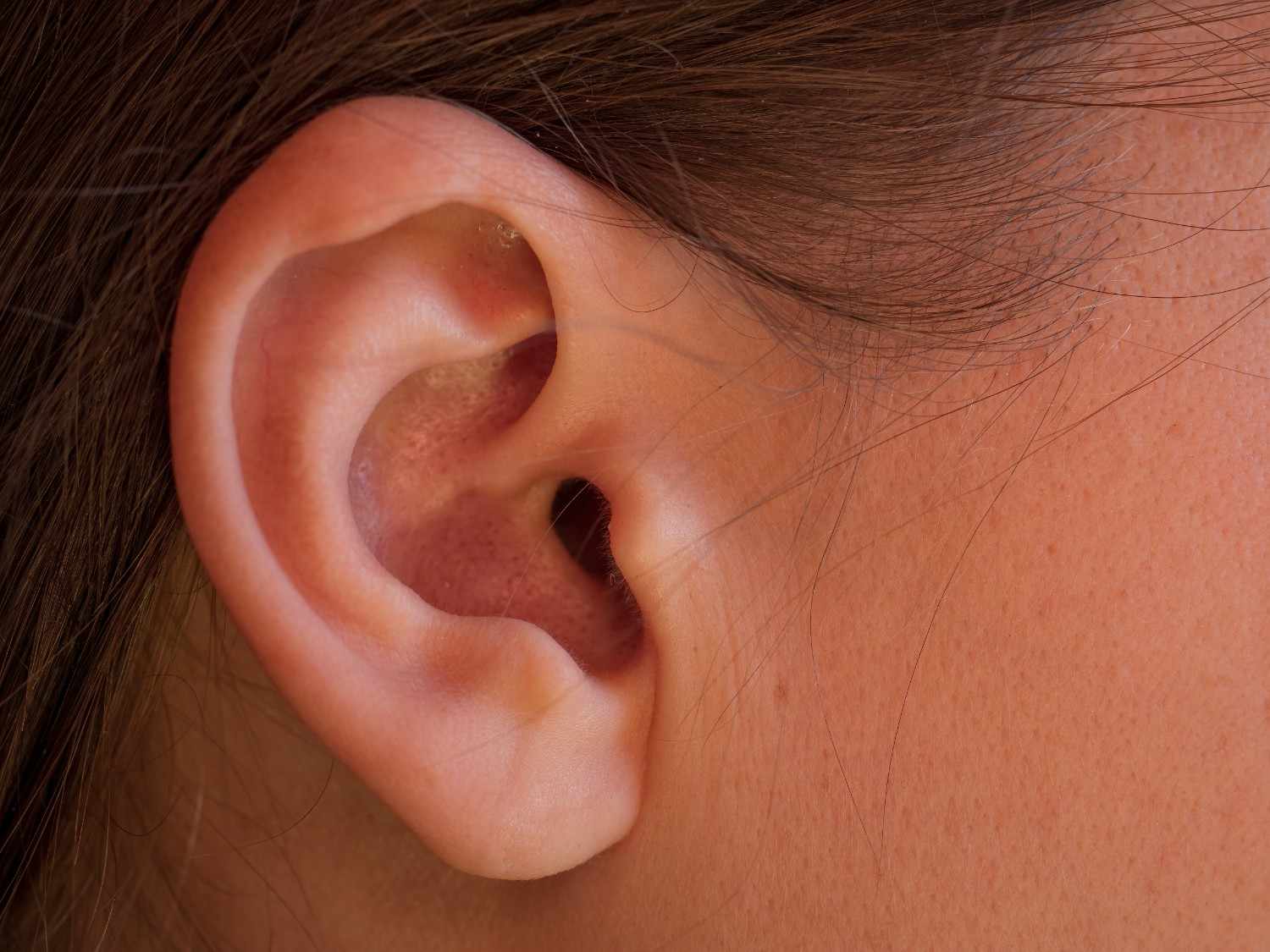
Symptoms may appear suddenly or gradually, depending on the cause and severity of the tear.
Common signs include:
- Sharp ear pain
- Hearing loss
- Ringing in the ear
- Fluid drainage
- Dizziness
- Pressure in the ear
- Sensitivity to sound
Some people also experience nausea or balance issues when the inner ear becomes irritated.
If symptoms continue for more than a few days, an ENT evaluation is usually recommended.
Non-Surgical Treatments for Perforated Eardrum
Not every perforated eardrum requires surgery. Many small tears heal naturally with proper care and monitoring.
ENT specialists typically evaluate:
- The size of the perforation
- The patient’s hearing level
- Presence of infection
- Duration of symptoms
Depending on the findings, non-surgical perforated eardrum treatment may be recommended first.
Observation and Home Care
Small perforations often improve within several weeks without invasive treatment.
Doctors usually recommend:
- Keeping the ear dry
- Avoiding swimming
- Using ear protection during showers
- Avoiding forceful nose blowing
- Staying away from smoke and irritants
Simple precautions can make a major difference during the healing process.
Patients are often advised not to place anything inside the ear, including cotton swabs or earbuds, while recovery is underway.
Medications
Medication may help reduce discomfort and lower the risk of infection during recovery.
Antibiotics
If infection is present or likely to develop, antibiotics may be prescribed. These medications help control bacteria and protect the middle ear while healing occurs.
ENT specialists may use oral antibiotics or special ear drops depending on the condition of the ear.
Pain Relievers
Mild to moderate discomfort can often be managed with over-the-counter pain medications.
Allergy and Sinus Care
In some patients, sinus pressure or allergies contribute to ear inflammation. Treating these conditions can improve recovery and reduce future ear complications.
Surgical Options for Perforated Eardrum
When a perforation does not heal naturally, surgical options may be necessary. ENT specialists typically recommend surgery for:
- Large perforations
- Ongoing hearing loss
- Recurrent infections
- Chronic drainage
- Tears that remain open for months
Modern ENT interventions are highly advanced and often performed using minimally invasive techniques.
1. Tympanoplasty
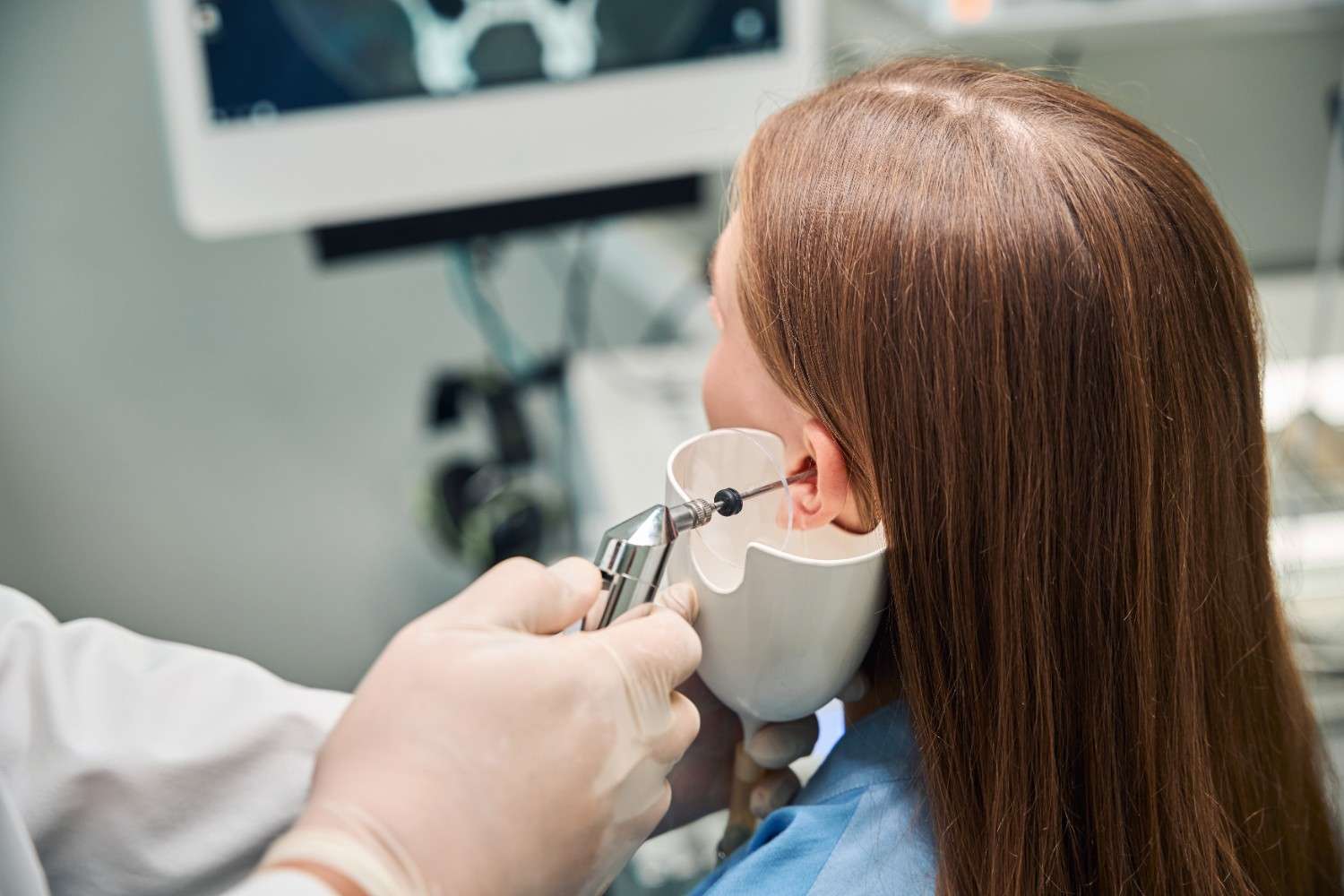
Tympanoplasty is one of the most effective surgical procedures used for perforated eardrum treatment.
During the procedure, the surgeon repairs the damaged eardrum using a tissue graft. The graft may come from tissue near the ear or another area of the body.
The procedure helps:
- Close the perforation
- Improve hearing
- Reduce infection risk
- Restore normal ear function
Some patients also require repair of tiny middle ear bones if damage has occurred.
Recovery After Tympanoplasty
Most patients go home the same day. Mild discomfort, ear fullness, or temporary hearing changes are common during early recovery.
As healing continues, hearing often improves gradually over several weeks.
2. Myringoplasty
Myringoplasty is another surgical option used to repair the eardrum. Unlike tympanoplasty, this procedure focuses only on closing the hole without rebuilding middle ear structures.
This treatment is commonly recommended for:
- Smaller perforations
- Simple eardrum tears
- Patients without major middle ear damage
The surgeon places graft material over the tear, allowing the membrane to heal properly.
Benefits of Myringoplasty
Patients often choose myringoplasty because it:
- Is less invasive
- Has a relatively quick recovery
- Helps prevent repeated infections
- Supports improved hearing
Many people return to daily activities shortly after the procedure.
3. Ventilation Tubes
Some patients experience chronic fluid buildup or pressure problems alongside a perforated eardrum. In these cases, ENT specialists may insert ventilation tubes.
These tiny tubes help:
- Drain trapped fluid
- Balance pressure inside the ear
- Reduce future infections
- Support the healing process
Ventilation tubes are especially common in pediatric ENT care because children experience frequent middle ear infections.
The procedure is typically short and well-tolerated.
The Healing Process After Treatment
The healing process varies from person to person. Recovery depends on:
- The size of the tear
- Presence of infection
- Overall ear health
- The type of treatment performed
Natural Healing
Minor perforations often heal naturally within a few weeks. During this time, hearing gradually returns as the membrane repairs itself.
Following ENT instructions carefully is important for successful healing.
Post-Surgical Recovery
After surgical ENT interventions, patients may notice:
- Temporary muffled hearing
- Mild drainage
- Ear fullness
- Light discomfort
These symptoms usually improve steadily as the ear heals.
Doctors often recommend:
- Keeping the ear dry
- Avoiding heavy lifting initially
- Limiting pressure changes
- Attending follow-up appointments
Complete healing can take several weeks to several months, depending on the procedure.
When to Consult an ENT Specialist
Although some perforated eardrums heal on their own, certain symptoms should never be ignored.
You should consult an ENT specialist if you experience:
- Hearing loss that continues
- Severe ear pain
- Ongoing drainage
- Repeated ear infections
- Dizziness or balance issues
- Symptoms after loud noise exposure or trauma
Early perforated eardrum treatment often prevents long-term complications and supports better hearing recovery.
ENT specialists use advanced diagnostic tools to examine the ear and determine the best treatment plan for each patient.
Protecting Your Ears After Recovery
Preventing future ear damage is an important part of long-term ear health.
Helpful prevention tips include:
- Avoid placing objects inside the ear
- Wear hearing protection around loud noise
- Treat infections promptly
- Manage allergies and sinus conditions
- Use caution during diving and air travel
- Follow up regularly for chronic ear problems
Small habits can help protect hearing and reduce the chance of future perforations.
Conclusion
A perforated eardrum can disrupt hearing, balance, and daily comfort, but effective treatment options are available for nearly every stage of the condition. While some tears heal naturally with observation and medication, others require advanced surgical options such as tympanoplasty, myringoplasty, or ventilation tubes.
The most important step is seeking timely medical care. Early ENT interventions can reduce infection risks, improve healing outcomes, and protect long-term hearing health.
Fort Worth ENT & Sinus offers comprehensive perforated eardrum treatment with in-office diagnostics, minimally invasive surgical options, and personalized rehabilitation plans from board-certified specialists.
With proper treatment and follow-up care, most patients recover well and return to normal activities with improved comfort and hearing. Schedule your consultation at fortworthent.net to restore your hearing today.
FAQs

Dr. Sean Callahan is a Board Certified Otolaryngologist at Fort Worth ENT & Sinus. Dr. Callahan performs surgery in all aspects of otolaryngology including pediatric ENT/Sinus, otology, rhinology, and sinus surgery, head and neck cancer surgery, salivary gland surgery, thyroid and parathyroid surgery, trauma, laryngology, allergy, and sleep medicine. Dr. Callahan completed his otolaryngology residency training at UT Southwestern Medical Center in Dallas in 2012. He was Board Certified by the American Board of Otolaryngology in 2013.
 What Does an Ear, Nose, and Throat Specialist Do?