
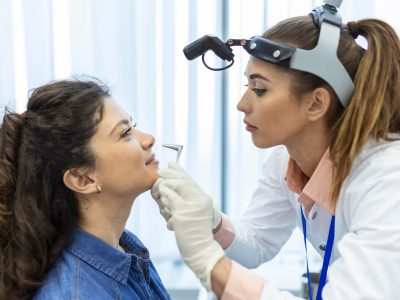
An endoscopic ENT procedure uses an endoscope to examine or treat structures within the ear, nose, or throat without the need for large surgical incisions. Most patients report mild discomfort rather than significant pain. Recovery is typically easier than with traditional surgical approaches. Common conditions include chronic sinusitis, nasal polyps, throat tumors, vocal cord disorders, swallowing difficulties, and recurring infections. Diagnostic examinations usually require little to no recovery time, while recovery from endoscopic surgery varies depending on the procedure performed. Patients may need to avoid eating or drinking beforehand and should discuss medications, allergies, and medical history with their ENT specialist. Potential risks include recurring ear infections, hearing loss, chronic drainage, and balance disturbances if left untreated. Prompt treatment of ear infections, avoiding objects in the ear canal, and protecting your ears during activities involving pressure changes can help reduce the risk. Many small perforations heal within a few weeks. Larger tears may take longer and occasionally require surgical repair. Most patients recover their hearing after the eardrum heals. However, severe injuries or untreated complications can sometimes result in long-term hearing problems. No. Many perforated eardrums heal naturally with observation and proper care. Surgery is generally reserved for cases that fail to heal or cause ongoing symptoms. The most reliable way to determine whether snoring is related to OSA is through a professional evaluation and sleep apnea diagnosis, which may include a physical examination and sleep study. A medical evaluation is the only way to tell the difference with certainty. Yes. While excess weight increases risk, OSA can occur in people of normal weight due to airway anatomy, jaw structure, nasal obstruction, or enlarged tonsils. Thin individuals who snore loudly or feel chronically tired should still be evaluated. Habitual snoring in children is not considered normal. It may indicate enlarged tonsils or adenoids causing obstructed breathing during sleep. Left untreated, this can affect growth, behavior, learning, and cardiovascular health. Any child who snores regularly should be examined by an ENT specialist. Yes. Alternative obstructive sleep apnea treatment options may include oral appliance therapy, weight management, thermal ablation procedures, tongue-base procedures, or other surgical interventions depending on the cause and severity of the airway obstruction. Yes. Poor sleep quality from untreated OSA can contribute to mood changes, irritability, anxiety, depression, memory problems, and reduced concentration. It can also impair work performance and significantly increase the risk of motor vehicle and workplace accidents. Look for board-certified specialists with training in head and neck surgery, significant procedural experience, positive patient feedback, and involvement in multidisciplinary cancer care. Potential risks may include infection, bleeding, nerve injury, shoulder weakness, swelling, scarring, or changes in sensation. Experienced surgeons work to minimize these risks through careful planning and technique. Recovery varies depending on the extent of surgery and overall health. Many patients begin resuming normal activities within several weeks, although complete recovery may take longer. In many cases, yes. Your surgeon will evaluate your medical history, current health conditions, and treatment goals to determine the safest and most effective approach. A neck dissection surgeon removes lymph nodes and potentially affected tissues in the neck to help treat or manage head and neck cancers. They also guide patients through diagnosis, treatment planning, surgery, and recovery. The excision of a tongue lesion is a surgical procedure where abnormal tissue on the tongue is taken away for treatment, diagnosis, or biopsy reasons. Oral lesions might be removed if they stay for a long time, cause pain, get in the way of speaking or swallowing, or show signs that cause real worries about malignancy. Depending on how big the lesion is and where it sits, local anesthesia can be used, or sedation, or sometimes general anesthesia too. Most people see important healing within about one to two weeks though for larger lesions, recovery may take longer, and it can feel more drawn out than expected. Risks may include bleeding, infection, swelling, soreness, and slower healing. That said, complications are usually uncommon when proper post-operative care is followed, and when the team monitors things. Surgery is typically recommended when treatments like CPAP or oral appliances are ineffective or when structural issues in the airway are contributing to obstructive sleep apnea. Common procedures include UPPP (uvulopalatopharyngoplasty), tonsil and adenoid removal, septoplasty, nasal polyp removal, jaw repositioning surgery, palate implants, and, in severe cases, tracheostomy. Results vary depending on the cause and severity of the condition. While surgery can significantly improve breathing and reduce symptoms, some patients may still require additional treatments. Recovery depends on the type of procedure performed. Minimally invasive surgeries may require only a few days of recovery, while more extensive procedures can take several weeks. An ENT specialist will evaluate your airway, symptoms, medical history, and sleep study results to recommend the most appropriate treatment plan for your specific condition. Patient satisfaction surveys help healthcare organizations understand patients’ experiences, identify areas for improvement, and enhance the overall quality of care and service. Survey responses are analyzed to evaluate patient experiences, improve processes, strengthen patient-provider communication, and support ongoing quality improvement initiatives. Yes. Patient satisfaction surveys are typically conducted in a confidential manner, and the information collected is used to improve services and patient experiences. Any patient who has received care or services from the practice or healthcare organization is encouraged to participate and share feedback about their experience. Healthcare organizations should conduct patient satisfaction surveys regularly to monitor performance, identify trends, and ensure continuous improvements in patient care and service quality. Professional opera singers depend on healthy vocal cords and optimal throat function. ENT specialists help diagnose, treat, and prevent conditions that could affect vocal performance and overall vocal health. It means that Fort Worth ENT provides specialized ear, nose, and throat expertise and support for performers associated with the Fort Worth Opera, helping maintain their vocal and respiratory health. Opera singers may experience vocal strain, hoarseness, vocal cord injuries, throat irritation, allergies, sinus issues, and other conditions that can impact singing performance. A healthy voice is essential for projection, tone quality, endurance, and overall performance. Even minor vocal issues can affect a singer’s ability to perform at a professional level. Yes. The same expertise used to care for professional vocalists can help anyone experiencing hoarseness, voice changes, throat discomfort, swallowing difficulties, sinus problems, or other ear, nose, and throat concerns. Endoscopic sinus surgery may be recommended if you have chronic sinusitis, recurring sinus infections, nasal polyps, or persistent nasal blockage that does not improve with medications and other non-surgical treatments. Most patients experience mild discomfort rather than significant pain. Any post-operative discomfort is usually manageable with prescribed medications and typically improves within a few days. Most patients return to normal daily activities within one to two weeks. However, complete healing of the sinuses may take several weeks, depending on the extent of the procedure. Patients should avoid heavy lifting, strenuous exercise, smoking, bending over frequently, and blowing their nose forcefully during the initial recovery period. Your surgeon will provide specific guidelines based on your case. As with any surgical procedure, there are potential risks, including bleeding, infection, anesthesia-related complications, and scar tissue formation. Serious complications are rare when the procedure is performed by an experienced ENT specialist. Start liquids/soft foods, prioritize protein and hydration. Avoid irritants; consult a nutritionist for tailored advice. Most return to normal in 6-12 weeks, though therapy aids speech/swallowing. Radical types take longer. Infection, swelling, nerve issues, or chyle leak. Vigilance and prompt care minimize risks. Expect 1-3 hospital days, then 4-12 weeks at home with rest, wound care, and follow-ups. Pain eases quickly with meds. Use prescribed meds, ice/heat, and rest. Stay ahead of discomfort by taking doses on schedule. No. One of the benefits of temperature-controlled radiofrequency neurolysis is that it can typically be performed as an in-office procedure without the need for major surgery or hospitalization. Unlike medications that manage symptoms through ongoing use, radiofrequency neurolysis targets the nerve pathways involved in chronic rhinitis symptoms. This may help reduce the need for long-term medication use and avoid certain medication-related side effects. According to the research published in the American Journal of Rhinology & Allergy, the procedure was found to be both safe and effective for treating chronic rhinitis, with patients experiencing meaningful symptom improvement. Temperature-controlled radiofrequency neurolysis is a minimally invasive procedure that targets the posterior nasal nerve area to help reduce chronic rhinitis symptoms such as nasal congestion, runny nose, and postnasal drip. Patients with allergic or nonallergic chronic rhinitis who continue to experience symptoms despite using medications or other conventional treatments may be candidates for this procedure. Most between 1-3 years, with a peak otitis media time. Babies under 1 rarely need them; we assess on a case-by-case. 6-18 months, typically, they extrude naturally. We monitor with follow-ups. Low: Slight discharge, scarring (rare). The benefits outweigh for chronic cases. Same day! Light play is okay; avoid water/swimming for 1-2 weeks. Yes, initially use earplugs or bands for baths/pools. Custom tips available at our clinic. Common symptoms include ear pain, hearing loss, ringing in the ears, dizziness, pressure, and fluid drainage from the ear. Small perforations may heal within a few weeks, while surgical recovery may take several weeks to a few months, depending on the severity of the condition. Yes. Many minor tears heal naturally with proper care, observation, and infection prevention. As with any surgery, there are small risks such as infection or temporary dizziness. However, modern surgical options are generally safe and highly successful. Avoid inserting objects into the ear, protect your ears from loud sounds, treat infections early, and manage pressure changes carefully during flying or diving. Start by searching online, reviewing patient feedback, checking physician credentials, and confirming insurance acceptance. Recommendations from primary care physicians can also be helpful. Look for experienced specialists, comprehensive services, positive patient reviews, modern technology, and convenient access to care. Most insurance plans cover medically necessary ENT evaluations and treatments, though coverage varies by provider and plan. ENT specialists diagnose and treat conditions involving the ears, nose, throat, sinuses, voice, swallowing function, hearing, allergies, and sleep disorders. Costs vary depending on location, insurance coverage, diagnostic testing, and the complexity of the visit. Contact the clinic directly for specific pricing information. Ongoing fatigue, bone discomfort, kidney stones, and high calcium levels on blood tests are common indicators. Follow fasting instructions, review medications with your doctor, and arrange support for the first day after surgery. Traditional surgery examines all glands, while minimally invasive approaches target a specific one. Scarless techniques avoid visible incisions but aren’t suitable for every case. Most people feel better within a week and return fully to routine activities within two to three weeks. Risks include temporary low calcium levels, minor infection, or voice changes. Long-term complications are rare with experienced surgical care. Yes, temporary cases may resolve without treatment. Chronic symptoms usually need medical care. If it lasts long, affects breathing, or causes repeated infections, it should be evaluated. Steam inhalation, saline rinses, and humidifiers are commonly helpful. Yes, untreated allergies can lead to chronic nasal congestion and blockage. Options depend on the cause and may include medications or procedures like septoplasty or endoscopic sinus surgery. If breathing problems persist despite medication and begin affecting sleep or daily comfort, surgery may be recommended. Most people get back to routine activities within a week, but full healing can take a few weeks. If the surgery is medically necessary, many insurance plans do cover it. It’s best to confirm with your provider. Risks are generally low but can include bleeding, infection, or temporary discomfort. Choosing an experienced specialist reduces these risks. Deviated septum, polyps, or allergies, scoping confirms. Yep, ear tubes for kids/adults drain fluid and cut infections 80%. CPAP first, then surgery, like UPPP or Inspire implants. Manageable usually means wax removal or hearing aids help most. Over two weeks, with white patches, or 5+ times yearly, could be tonsillitis or reflux. Inspire V is the latest Inspire sleep apnea device version, designed to treat obstructive sleep apnea by stimulating airway muscles during sleep. It features an integrated respiratory sensor, updated neurostimulator, and Bluetooth-enabled controls. The integrated respiratory sensor eliminates the need for a separate sensing lead, making the procedure less invasive and improving surgical efficiency. The new neurostimulator and Bluetooth-enabled remote offer more comfort and convenience. Adults with moderate to severe obstructive sleep apnea who cannot tolerate CPAP and meet certain health criteria may be eligible. A sleep study and consultation are required to confirm candidacy. The surgery is typically an outpatient procedure under general anesthesia. Most patients experience only mild discomfort afterward and return to normal activities within a few days. Schedule an appointment with one of our Physicians at Fort Worth ENT to see if you qualify to this new technology Nasal polyps are inflamed tissue from the nasal passages or sinus lining. They are soft, painless, and noncancerous. Your doctor will conduct a physical examination and may use imaging tests, such as a CT scan or an endoscopic exam, to view the inside of your nasal passages. Nasal polyps do not usually go away on their own. Treatment is typically needed to reduce their size and alleviate symptoms. Allergies can contribute to chronic inflammation in the nasal passages, which increases the risk of developing nasal polyps. Managing allergies can help reduce the likelihood of polyps forming. No, surgery is not always necessary. Many people find relief with medications such as nasal corticosteroid sprays, but surgery may be needed for larger or persistent polyps. To learn more, contact Fort Worth ENT & Sinus. Tonsil and adenoid surgery, also known as tonsillectomy and adenoidectomy, is a procedure to remove the tonsils and/or adenoids. This surgery is typically performed to treat chronic infections, sleep apnea, breathing difficulties, or recurrent sore throats. The goal is to improve the patient’s quality of life by reducing infections and alleviating related symptoms. Recovery from tonsil and adenoid surgery typically takes about 10 to 14 days. During this period, patients may experience a sore throat, mild pain, or difficulty swallowing. Drinking plenty of fluids, eating soft foods, and following the doctor’s post-surgery care instructions can help speed up recovery. While tonsil and adenoid removal surgery is generally safe, potential risks include bleeding, infection, adverse reactions to anesthesia, and temporary voice changes. It’s essential to discuss these risks with your doctor and follow their recommendations for minimizing complications. To prepare your child for surgery: Signs that a child may need tonsil and adenoid removal include: Frequent throat infections (five or more per year). Recovery from nasal valve collapse surgery typically takes 1-2 weeks for initial healing, with full recovery and optimal results noticeable within a few months. Follow-up care is important for monitoring progress. Nasal valve repair surgery can significantly improve breathing, reduce snoring, enhance sleep quality, and alleviate symptoms associated with nasal congestion or obstruction. Candidates for nasal valve repair surgery include individuals experiencing chronic nasal obstruction, difficulty breathing, or symptoms caused by nasal valve collapse that do not improve with non-surgical treatments. Nasal valve repair is a surgical procedure aimed at improving airflow through the nasal passages by correcting structural issues in the nasal valve, which is the narrowest part of the nasal airway. Nasal valve reconstruction typically involves reshaping or reinforcing the nasal cartilage and tissues to restore proper function and airflow. Techniques may include grafts from cartilage or other materials. If you experience persistent symptoms after treatment, it’s important to follow up with your healthcare provider. They may recommend further evaluation, adjustments to your treatment plan, or additional tests to identify underlying issues. Diagnosing a thyroid disorder typically involves a combination of a thorough medical history, physical examination, and blood tests to measure levels of thyroid hormones (T3, T4) and Thyroid-Stimulating Hormone (TSH). Imaging tests, such as ultrasound, may also be used to assess the thyroid gland’s structure. Yes, non-surgical options for chronic sinusitis include nasal corticosteroids, saline nasal irrigation, antibiotics for bacterial infections, and allergy management strategies. In some cases, lifestyle changes and home remedies may also provide relief. It is recommended to have a hearing evaluation every one to two years, or sooner if you notice changes in your hearing or balance. Regular check-ups can help detect issues early. Allergies are diagnosed through skin tests or blood tests. Treatment options may include avoidance strategies, antihistamines, nasal corticosteroids, or allergy shots (immunotherapy). Lifestyle changes that can help manage sleep apnea include maintaining a healthy weight, avoiding alcohol and sedatives, quitting smoking, and sleeping on your side instead of your back. To prepare for your appointment, bring a list of medications you are currently taking, any relevant medical records, and questions you may have about your condition or treatment options. Yes, we accept a variety of insurance plans. Please contact our office for a list of accepted insurance providers. Yes, our physicians are board-certified specialists in Otolaryngology (ENT) and are dedicated to providing high-quality care to our patients. During your first visit, you can expect a comprehensive evaluation that includes a medical history review, a physical examination, and any necessary diagnostic tests to determine the best treatment plan for your condition. We prioritize patient safety by following strict protocols, utilizing advanced technology, and ensuring that our team is highly trained in the latest medical practices and surgical techniques. Symptoms of hypothyroidism can include fatigue, weight gain, cold sensitivity, dry skin, constipation, and depression. If you experience these symptoms, consult a healthcare provider for evaluation. Thyroid disorders can be caused by autoimmune diseases, certain medications, prior thyroid surgeries, congenital issues, or hormonal imbalances. Identifying the cause is essential for effective treatment. Common pediatric ENT disorders include ear infections, tonsillitis, nasal obstructions, sleep apnea, and allergies. We offer specialized care for children with these conditions. Chronic sinusitis is a long-term inflammation of the sinuses, lasting over eight weeks. Diagnosis typically involves a thorough medical history, physical examination, and imaging tests such as CT scans or nasal endoscopy. Hearing loss is assessed through audiology evaluations. Treatment options may include hearing aids, cochlear implants, or surgical interventions like stapedectomy or tympanoplasty, tailored to the individual’s needs. We have a specialized hearing aid department to assist in hearing aid evaluations and fittings. You can schedule an appointment by calling 817-332-8848 or by completing the online appointment request form available on our website. Treatment options for sleep apnea include lifestyle changes, Inspire Implants, Continuous Positive Airway Pressure (CPAP) therapy, oral appliances, and surgical options depending on the severity of the condition. Balloon Sinuplasty is a minimally invasive procedure that alleviates chronic sinusitis by gently opening blocked sinus passages using a small, flexible balloon. Fort Worth ENT & Sinus provides a wide range of services, including treatment for allergies, sinus issues, sleep apnea, hearing loss, throat disorders, and pediatric ENT services.Helpie FAQ
Persistent breathing difficulties or snoring due to enlarged tonsils or adenoids.
Sleep apnea or disrupted sleep patterns.
Difficulty swallowing or chronic bad breath not resolved by other treatments.
A consultation with an ENT specialist can help determine if surgery is necessary.
Fort Worth ENT & Sinus specializes in diagnosing and treating nasal polyps to improve your health and overall quality of life. Whether you need nasal polyps surgery or other treatments, don’t let nasal issues hold you back—schedule a consultation today for effective nasal polyps care!
What are Nasal Polyps?
Nasal polyps are common, noncancerous growths that typically form in the nasal passages or sinuses, often near the areas where the sinuses open into the nasal cavity. These teardrop-shaped masses may appear similar to peeled grapes when fully developed. While nasal polyps themselves are not caused by bacterial infections, people often wonder if a sinus infection needs antibiotics when polyps are present, as both conditions can cause nasal congestion and discomfort.
While nasal polyps can be linked to conditions like allergies or asthma, they may not always cause symptoms, especially when small. However, larger polyps can cause nasal obstruction, leading to mucus buildup and potential sinus infections.
Several factors may increase your risk of developing nasal polyps, including:
- Asthma
- Allergic rhinitis (hay fever)
- Chronic sinus infections
- Cystic fibrosis
- Sensitivity to specific NSAIDs (nonsteroidal anti-inflammatory drugs)
In some cases, genetics may contribute to the formation of nasal polyps. Specific gene mutations can affect how your nasal tissues respond to inflammation, potentially increasing the likelihood of developing polyps, which some people try to manage alongside natural antibiotics for sinus infection.
Recognizing the Symptoms of Nasal Polyps
Nasal polyps are often associated with inflammation and swelling inside the nose and sinuses, a condition known as chronic sinusitis lasting more than 12 weeks. While chronic sinusitis can occur without nasal polyps, the two conditions are frequently linked. In some cases, doctors may recommend treatment options, including the best antibiotics for sinus infection, to help manage bacterial infections that can accompany chronic sinusitis.
Small nasal polyps may not cause noticeable symptoms, but larger or multiple polyps can lead to nasal blockages. Common signs of chronic sinusitis with nasal polyps include:
- A runny or stuffy nose
- Mucus dripping down the throat (postnasal drip)
- A loss of smell
- A loss of taste
- Facial pain or headaches
- Tooth pain
- Pressure in the forehead and face
- Snoring
What Causes Nasal Polyps?
Nasal polyps can form anywhere along the nose lining or sinuses, often in areas where the sinuses open into the nasal cavity. While small polyps may not cause any issues, larger ones can cause nasal obstruction in airways or block sinus drainage, sometimes requiring nasal polyp surgery to remove them and restore normal airflow.
Nasal polyps are noncancerous growths, typically caused by long-term inflammation in the nose, often triggered by conditions like allergies, asthma, or infections. The exact reason some individuals develop nasal polyps is still not fully understood. However, certain factors may increase the likelihood of developing them, including treatments such as using a balloon in nose procedure to help open nasal passages and reduce obstruction.
- Sensitivity to aspirin
- Asthma
- Chronic (long-term) sinus infections
- Cystic fibrosis
- Hay fever
You may be at a higher risk for nasal polyps if you have any of these conditions.
Treatments for Nasal Polyps
Your doctor will first ask about your symptoms and perform a physical exam to determine if you have nasal polyps. They will then use a nasal endoscope with a magnifying lens or camera to closely examine the inside of your nose and sinuses. Further diagnostic tools, such as a laryngoscopy, may assess your upper airway and throat if symptoms like post-nasal drip or difficulty breathing are present.
If these methods don’t provide a clear diagnosis, additional tests may be recommended, such as:
- Imaging tests, including a CT scan, to get detailed images of your sinuses
- Allergy tests to identify if allergies are contributing to inflammation
Medical Treatments
If treatment is necessary, the first approach is usually a nasal corticosteroid spray, which can help shrink or even eliminate nasal polyps in many cases. For some individuals, oral corticosteroids, such as prednisone, may be prescribed for a short period. In certain situations, a balloon in nose treatment may also be considered to help open nasal passages and improve airflow. If these treatments are ineffective, your doctor may recommend an injection of dupilumab (Dupixent), a medication designed to target the underlying inflammation.
Unfortunately, nasal polyps can return if the underlying causes persist, such as irritation, allergy symptoms, or infections. As a result, continued use of corticosteroid sprays and regular check-ups with nasal endoscopy may be required.
While medications like antihistamines and decongestants are not typically effective for treating nasal polyps, they may be necessary to manage allergies or infections before using corticosteroids.
Surgical Interventions
Sometimes, nasal polyps can be large enough that medications alone are ineffective. If this happens, surgery might be considered. The procedure typically involves using a small nasal telescope to remove the polyps, and it can be done on an outpatient basis, allowing you to go home the same day.
Surgery is generally successful, though it may be less effective if you have nasal polyps and asthma or aspirin sensitivity. In such cases, medications may be a more beneficial option.
Tips to Prevent Nasal Polyps Recurrence
To help reduce the chances of developing nasal polyps or experiencing a recurrence after treatment, consider these helpful strategies:
- Manage allergies and asthma: Stick to your treatment plan to keep symptoms under control. If your symptoms are poorly managed, consult your healthcare provider for adjustments.
- Avoid nasal irritants: Tobacco smoke, chemical fumes, and dust can irritate the nose. If you smoke, seek guidance from your healthcare provider on how to quit.
- Wash your hands frequently: Regular hand washing is one of the best ways to prevent infections that can cause irritation and inflammation in the nose and sinuses.
- Use a humidifier: A humidifier can help maintain moisture in the air, preventing your nose from becoming dry and irritated. Be sure to clean the device regularly to prevent bacterial buildup.
- Try a nasal rinse: A saltwater nasal spray or rinse can help clear irritants from the nasal passages. Over-the-counter saltwater sprays and nasal wash kits, which include a neti pot or squeeze bottle, are available to help with this process.
These simple steps can assist in maintaining your nasal health and reducing the likelihood of nasal polyp recurrence.
Why Choose Fort Worth ENT for Nasal Polyps Treatments?
When treating nasal polyps, choosing an experienced team of specialists is essential for receiving personalized and effective care. At Fort Worth ENT & Sinus, we offer the following:
- Personalized care: Our skilled ENT specialists take the time to understand your symptoms and work with you to develop a treatment plan that suits your specific needs.
- Advanced treatment options: We provide a variety of nasal polyps treatments, including medical and cutting-edge surgical interventions, to help manage nasal polyps effectively.
- A dedicated team: Our team is dedicated to improving your sinus health and quality of life by delivering compassionate and complete care throughout your treatment.
Don’t slow your path to better sinus health. Schedule an appointment with Fort Worth ENT & Sinus today!
Conclusion
Nasal polyps are noncancerous growths that form in the lining of the nose and sinuses. Common symptoms include nasal congestion, a runny nose, postnasal drip, reduced sense of taste and smell, and snoring.
If left untreated, nasal polyps can make breathing difficult, leading to sleep disruptions and fatigue. They can also result in more serious issues, such as obstructive sleep apnea, permanent loss of smell, and the development of mucoceles.
Treatment typically involves a combination of steroids, nasal rinses, and, in more severe cases, surgery.
If you suspect you have nasal polyps, don’t wait for your symptoms to worsen. Contact Fort Worth ENT & Sinus to schedule your consultation today!

Frequently Asked Questions
Nasal polyps are inflamed tissue from the nasal passages or sinus lining. They are soft, painless, and noncancerous.
Your doctor will conduct a physical examination and may use imaging tests, such as a CT scan or an endoscopic exam, to view the inside of your nasal passages.
Nasal polyps do not usually go away on their own. Treatment is typically needed to reduce their size and alleviate symptoms.
Allergies can contribute to chronic inflammation in the nasal passages, which increases the risk of developing nasal polyps. Managing allergies can help reduce the likelihood of polyps forming.
No, surgery is not always necessary. Many people find relief with medications such as nasal corticosteroid sprays, but surgery may be needed for larger or persistent polyps. To learn more, contact Fort Worth ENT & Sinus.

Dr. Jeremy Watkins is a Board Certified Otolaryngologist at Fort Worth ENT & Sinus. He practices ear, nose, throat, and sinus care for children and adults. Dr. Watkins received his undergraduate degree from Louisiana State University in Baton Rouge. He obtained his medical degree from Louisiana State University School of Medicine in New Orleans, Louisiana, and finished his training in Memphis, Tennessee where he completed a general surgery internship, followed by a residency in Otolaryngology at the University of Tennessee.
 First Inspire V Implant: Dr. McIntyre’s Fort Worth Surgical Milestone