

Summary:
|
A hoarse voice after a long day of talking or singing is usually nothing to worry about. But when hoarseness continues for weeks or your voice starts sounding noticeably different, it is worth finding out why.
Several conditions can affect the vocal folds, including benign growths known as vocal cord nodules and vocal cord polyps. Both can interfere with the way the vocal folds vibrate, but they are not exactly the same. They can differ in how they develop, what they look like during an examination, and how they are treated.
Because their symptoms can overlap, looking at the vocal folds is often necessary to determine what is actually causing the voice change.
What Are Vocal Cord Nodules?
Vocal cord nodules are benign, callus-like growths that develop on the vocal folds. They are commonly associated with repeated or prolonged vocal stress.
Nodules often develop on both vocal folds at corresponding points where the folds repeatedly come into contact. Over time, this repeated pressure can cause localized thickening.
The nodules can interfere with normal vocal-fold closure and vibration, resulting in a change in voice quality.
What Causes Vocal Cord Nodules?
Repeated vocal strain is a major contributor. Common examples include:
- Frequent yelling or shouting
- Speaking loudly for long periods
- Singing with excessive vocal strain
- Heavy voice use at work
- Poor or inefficient vocal technique
- Repeated irritation of the vocal folds
Teachers, singers, coaches, performers, and other people who use their voices extensively may be more susceptible.
However, vocal nodules are not limited to professional voice users. Anyone who repeatedly strains their voice can develop them.
What Are Vocal Cord Polyps?
Vocal cord polyps are benign growths that can develop on one or both vocal folds. Unlike nodules, which often appear as paired lesions, polyps can vary considerably in their size, shape, and appearance.
They may develop following trauma or irritation to a vocal fold. In some cases, a single episode of intense vocal strain, such as shouting loudly at an event, may contribute to polyp formation. Smoking and other sources of chronic irritation can also increase the risk.
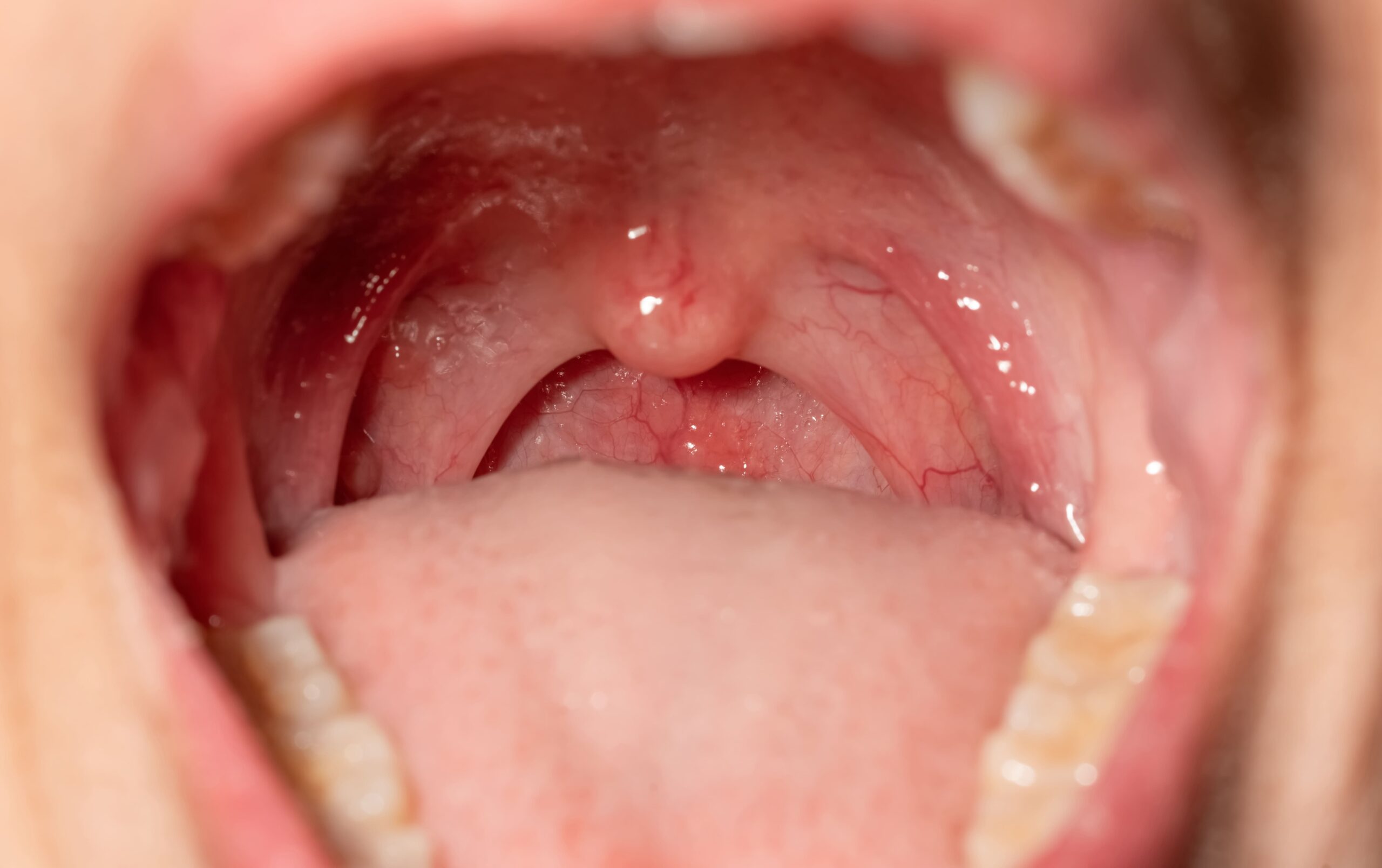
How Do Vocal Cord Polyps Affect the Voice?
A polyp can interfere with normal vocal-fold vibration and closure. The resulting voice changes depend partly on the size and location of the lesion.
Someone with a vocal polyp may experience:
- Persistent hoarseness
- A rough or breathy voice
- Changes in pitch
- Reduced vocal endurance
- Difficulty projecting the voice
Some people may also feel irritation or an ongoing need to clear their throat.
Vocal Cord Nodules vs. Vocal Cord Polyps: What’s the Difference?
| Vocal Cord Nodules | Vocal Cord Polyps |
| Often associated with repeated vocal stress | May be associated with acute vocal trauma or ongoing irritation |
| Commonly occur on both vocal folds | Often occur on one vocal fold, although they can occur on both |
| Typically appear as callus-like areas of thickening | Can vary in size, shape, and appearance |
| Often associated with prolonged voice use | Can develop after a significant episode of vocal strain |
| Voice therapy and vocal behavior changes are often important | Treatment may include voice therapy and, in some cases, surgery |
These differences are useful general patterns, not absolute rules. Individual lesions can look different, and an ENT examination is needed for an accurate diagnosis.
What Are the Symptoms of Vocal Cord Nodules?
The vocal cord nodules symptoms can be easy to overlook, especially when voice changes develop gradually.
Common symptoms include:
- Persistent hoarseness
- Rough or raspy voice
- Vocal fatigue
- Reduced vocal range
- Difficulty reaching certain pitches
- A voice that becomes weaker with prolonged speaking
- Frequent throat clearing
- A sensation of having something in the throat
People who use their voices heavily may notice that their voice becomes increasingly tired or strained as the day goes on.
Can Vocal Cord Nodules Cause Pain?
Pain is not usually the main symptom of vocal cord nodules.
However, repeated vocal effort or excessive strain can cause throat discomfort in some people. If voice problems are accompanied by persistent pain, significant swallowing difficulty, or breathing problems, an evaluation is important because other conditions may be involved.
What Are the Symptoms of Vocal Cord Polyps?
The symptoms of vocal cord polyps can look very similar to those of nodules.
Possible symptoms include:
- Persistent hoarseness
- Rough, breathy, or strained voice
- Changes in vocal pitch
- Reduced vocal stamina
- Difficulty projecting the voice
- Frequent throat clearing
- A feeling of irritation or something stuck in the throat
Because there is so much overlap, symptoms alone cannot reliably tell you whether you have a nodule, polyp, or another vocal-fold problem.
How Are Vocal Cord Nodules and Polyps Diagnosed?
ENT Examination
When voice changes persist, an ENT specialist can evaluate the throat and larynx to identify the source of the problem.
The vocal folds need to be viewed directly because hoarseness can have many different causes. A medical history can also provide useful information about voice use, smoking, reflux, recent illness, and other potential contributors.
Laryngoscopy and Stroboscopy
A flexible or rigid laryngoscope allows the physician to see the vocal folds directly.
A videostroboscopy provides additional information by examining vocal-fold vibration during sound production. This can help the physician understand how a lesion is affecting the voice and distinguish it from other causes of vocal changes.
Why Persistent Hoarseness Should Be Evaluated
Not every persistent voice change is caused by nodules or polyps.
Other possible causes include:
- Vocal-fold inflammation
- Vocal-fold paralysis
- Reflux-related irritation
- Vocal-fold cysts
- Other benign lesions
- Potentially more serious abnormalities
For this reason, it is better to have persistent hoarseness evaluated than to assume the cause based on symptoms alone.
How Are Vocal Cord Nodules Treated?
Treatment depends on the severity of the lesion, its effect on the voice, and the factors that contributed to its development.
Voice Therapy
Voice therapy is often an important part of treatment for vocal cord nodules.
A speech-language pathologist can teach healthier vocal techniques and help patients reduce behaviors that place excessive stress on the vocal folds.
The goal is not simply to speak less. It is to use the voice more efficiently and reduce unnecessary strain.
Vocal Rest and Lifestyle Changes
Depending on the situation, recommendations may include:
- Reducing excessive voice use
- Avoiding yelling and shouting
- Staying adequately hydrated
- Avoiding smoking and secondhand smoke
- Addressing reflux or other sources of irritation when appropriate
- Following healthy voice-use practices
Many nodules can improve with conservative treatment and appropriate voice therapy.
When Is Surgery Needed?
Surgery is not automatically required for vocal cord nodules.
It may be considered in selected cases when a lesion persists despite appropriate conservative treatment or continues to significantly affect the patient’s voice.
The decision should be based on the appearance of the lesion, symptoms, voice needs, and response to treatment.
How Are Vocal Cord Polyps Treated?
Treatment for a vocal cord polyp depends on its characteristics, symptoms, and likely cause.
Some patients may benefit from voice therapy and reducing behaviors that repeatedly traumatize the vocal folds. Persistent or symptomatic polyps may require surgical removal.
Addressing contributing factors, such as smoking or excessive vocal strain, is also important. Removing a lesion without changing the behavior that contributed to it may increase the chance of future voice problems.
What Happens During Vocal Cord Polyp Removal?
When surgery is recommended, a procedure known as microlaryngeal surgery may be used.
The surgeon works through the mouth using specialized instruments to access the vocal fold. The goal is to remove the polyp while preserving as much healthy vocal-fold tissue as possible.
Voice therapy may be recommended afterward to support healing and encourage healthier vocal technique.
Can Vocal Cord Nodules or Polyps Come Back?
They can, particularly if the factors that contributed to their development continue.
Preventive steps may include:
- Using healthy vocal techniques
- Avoiding unnecessary shouting
- Taking appropriate voice breaks
- Staying hydrated
- Avoiding smoking
- Following post-treatment voice recommendations
- Managing conditions that contribute to vocal-fold irritation
Successful treatment involves more than addressing the visible lesion. Understanding why it developed can help reduce the chance of recurrence.
When Should You See an ENT for Hoarseness?
Consider an ENT evaluation if you experience:
- Hoarseness lasting more than a few weeks
- Repeated or worsening voice changes
- Difficulty speaking normally
- Loss of vocal range
- Pain associated with voice use
- Difficulty breathing or swallowing
- Coughing up blood
- Voice changes combined with significant tobacco exposure
Persistent hoarseness deserves attention, even when there is no pain. Early evaluation can help identify the cause and determine whether treatment is necessary.
Conclusion
Vocal cord nodules and vocal cord polyps are both benign vocal-fold lesions, but they are not the same condition. Nodules are often associated with repeated vocal stress, while polyps may develop after acute vocal trauma or ongoing irritation.
Their symptoms can overlap considerably. Hoarseness, voice fatigue, changes in pitch, and difficulty projecting the voice can occur with either condition. That is why persistent voice changes should not be self-diagnosed.
Treatment may include voice therapy, changes in vocal habits, and management of contributing conditions. Some persistent lesions, particularly certain vocal cord polyps, may require surgery.
At Fort Worth ENT & Sinus, patients can receive specialized evaluation for persistent hoarseness, vocal cord nodules, vocal cord polyps, and other voice disorders. Identifying the cause of the voice change is the first step toward choosing the right treatment.
FAQs

Dr. Sean Callahan is a Board Certified Otolaryngologist at Fort Worth ENT & Sinus. Dr. Callahan performs surgery in all aspects of otolaryngology including pediatric ENT/Sinus, otology, rhinology, and sinus surgery, head and neck cancer surgery, salivary gland surgery, thyroid and parathyroid surgery, trauma, laryngology, allergy, and sleep medicine. Dr. Callahan completed his otolaryngology residency training at UT Southwestern Medical Center in Dallas in 2012. He was Board Certified by the American Board of Otolaryngology in 2013.
 7 Signs Your Nasal Congestion Isn’t Normal
