
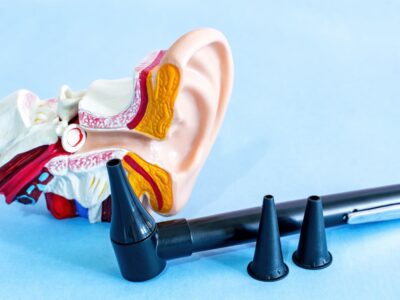
Summary: Ear tubes are small devices placed in the eardrum to help drain fluid and improve airflow in the middle ear.
|
As a parent, you’ve likely dealt with a child’s ear tug or that telltale whine during allergy season. Recurrent ear infections disrupt sleep, school, and family life. If otitis media keeps coming back, ear tubes, also called tympanostomy tubes, might be the game-changer for your child’s ear health. At Fort Worth ENT & Sinus, our board-certified pediatric ENT specialists help families breathe easier (and hear better) with minimally invasive solutions like this. Let’s break down when ear tubes make sense, how they work, and why they’re a trusted fix for North Texas kids.
What Are Ear Tubes?
Ear tubes are tiny cylinders, about the size of a grain of rice, inserted into the eardrum to keep the middle ear ventilated. Kids get them to combat chronic otitis media, which is just a fancy term for middle ear infections or fluid buildup.
Picture this: The Eustachian tube, that narrow passage connecting the throat to the middle ear, sometimes gets clogged, especially in toddlers whose tubes are shorter and more horizontal. Mucus, allergies, or colds trap fluid behind the eardrum, breeding bacteria and causing pain. Ear tubes act like pressure-equalizing vents, letting air flow in and fluid drain out. No more swimming-pool-like buildup!
At our Fort Worth clinic, we use soft silicone or metal tubes tailored to your child’s needs. They’re not permanent; most fall out naturally after 6-18 months. This simple tool restores children’s ear health without long-term hassle, aligning with our mission for family-friendly, advanced ENT care.
| Sign/Symptom | What It Means | When Ear Tubes May Help |
| Chronic Ear Infections | Your child experiences 3+ ear infections in 6 months or 4+ in a year due to recurring fluid buildup and bacterial growth. | Ear tubes help ventilate the middle ear, reduce infection frequency, and decrease repeated antibiotic use. |
| Persistent Fluid in the Ear (OME) | Fluid remains trapped behind the eardrum for more than 3 months, causing muffled hearing and pressure. | Tubes drain the fluid, restore airflow, and improve hearing before speech or learning issues develop. |
| Hearing Loss | Ongoing middle ear fluid can make sounds seem muffled, affecting listening and communication. | Ear tubes improve sound transmission and support normal hearing development. |
| Speech Delays | Children may struggle with speech milestones because they cannot hear words clearly. | Improved hearing after tube placement helps children catch up with speech and language skills. |
| Frequent Ear Tugging or Irritability | Younger children often pull at their ears or become fussy due to pressure and discomfort. | Tubes relieve pressure buildup and reduce recurring pain and discomfort. |
| Balance Problems | Fluid in the middle ear can affect balance and coordination in toddlers and young children. | Ear tubes help stabilize the middle ear and reduce dizziness or imbalance. |
| Recurring Symptoms During Allergy or Cold Season | Allergies and seasonal illnesses can repeatedly block the Eustachian tube and trigger infections. | Ear tubes maintain airflow and drainage during frequent congestion episodes. |
Signs Your Child May Need Ear Tubes

Not every earache warrants surgery, but patterns signal it’s time for a pediatric ENT consult. Fort Worth parents often spot these during back-to-school rushes or pollen-heavy springs. Here’s when ear tubes enter the conversation.
Chronic Ear Infections
If your child faces three or more otitis media episodes in six months or four in a year, it’s chronic territory. Antibiotics help in the short term, but repeated rounds build resistance, and miss root causes like Eustachian tube dysfunction. One Keller mom shared, “My 3-year-old had five infections last winter alone. Tubes stopped the cycle cold.”
Tympanostomy tubes prevent this by staying open, slashing infection risk by 80% per studies from the American Academy of Otolaryngology. Fewer doctor visits mean more playground time.
Persistent Fluid in the Ear
Fluid lingering behind the eardrum for over three months screams for intervention. Called otitis media with effusion (OME), it muffles sound like earplugs, even without infection pain.
If fluid remains behind the eardrum for an extended period (more than three months), it can lead to hearing loss or other issues that might affect speech and learning. Ear tubes help drain this fluid and restore hearing, preventing developmental hiccups. In Fort Worth’s humid climate, allergies exacerbate this our in-office CT imaging spots it fast.
Hearing Loss or Speech Delays
Prolonged fluid buildup in the middle ear can lead to hearing difficulties, which can, in turn, delay speech development. In these cases, ear tubes can improve hearing and allow children to catch up on speech milestones.
Imagine your toddler straining to hear storytime or mixing up words at preschool. Arlington parents report huge leaps post-tubes: clearer “mama” and “dada,” better focus in class. Early action protects children’s ear health, and long-term delays are fixed before kindergarten.
Other red flags? Frequent tugging at ears, balance woes, or irritability. Our specialists assess via tympanometry, a quick puff-test, to confirm.
How Is the Ear Tube Procedure Performed?
Parents worry about “surgery,” but tympanostomy is a breeze done in 10 minutes under light anesthesia as an outpatient gig. No hospital stay, back to daycare same day.
We start with a gentle ear cleaning, then make a pinpoint incision in the eardrum (it heals itself!). The tube slides in, and voila, ventilated ears. Local anesthesia numbs if needed for older kids, but most under 5 nap through it.
Tympanostomy Surgery

Tympanostomy under the microscope ensures precision. Risks? Minimal a 1-2% chance of scarring or early tube fall-out. Post-op, we prescribe drops to prevent infection. Fort Worth ENT & Sinus shines here with our modern OR and pediatric-trained staff, making it family-friendly.
Recovery’s swift: Mild soreness for a day, Tylenol suffices. Swim with earplugs after two weeks.
Benefits of Ear Tubes for Children’s Ear Health
Ear tubes transform lives for kids battling otitis media. Here’s the payoff:
- Reduced Infections: Fewer otitis media bouts mean less antibiotic use. Studies show a 50-80% drop in recurrences.
- Improved Hearing: Fluid gone, sounds sharp, vital for speech and learning.
- Enhanced Quality of Life: No more midnight cries or missed school. Parents sleep better, too!
They boost children’s ear health holistically, tying into our comprehensive pediatric ENT services like allergy testing.
Long-term? Eardrums heal fine; 90% of kids avoid future issues. It’s minimally invasive expertise at its best.
When to Speak to a Doctor About Ear Tubes
Trust your gut if antibiotics fail or fluid persists, call us. Red flags post-three infections? Book now. We’re in Fort Worth for quick access from Arlington to Weatherford.
Our process: Symptom chat, hearing test, fluid check. Not every case needs tubes; watchful waiting works for some. But for chronic otitis media, ear tubes help prevent complications such as mastoiditis.
Fort Worth ENT & Sinus offers same-week pediatric slots. Don’t delay children’s ear health; early tympanostomy averts bigger problems.
Are Ear Tubes the Right Solution?
Ear tubes aren’t for every sniffle, but for stubborn otitis media, they’re a lifeline. They restore hearing, curb infections, and help Fort Worth ENT & Sinus kids reclaim joy. Our board-certified team delivers compassionate, tech-driven care because every child deserves clear ears and bright futures.
Ready to explore ear tubes? Schedule a pediatric ENT consultation today.
FAQs

Dr. Sean Callahan is a Board Certified Otolaryngologist at Fort Worth ENT & Sinus. Dr. Callahan performs surgery in all aspects of otolaryngology including pediatric ENT/Sinus, otology, rhinology, and sinus surgery, head and neck cancer surgery, salivary gland surgery, thyroid and parathyroid surgery, trauma, laryngology, allergy, and sleep medicine. Dr. Callahan completed his otolaryngology residency training at UT Southwestern Medical Center in Dallas in 2012. He was Board Certified by the American Board of Otolaryngology in 2013.
 The Benefits of Choosing an Experienced Neck Dissection Surgeon