

Summary:
|
Neck dissection is a critical surgery often performed as part of ENT oncology treatment for head and neck cancers. If you’ve just undergone this procedure or are preparing for it, understanding what comes next can ease your mind.
This post breaks down the neck dissection procedure, its types, the immediate recovery phase, practical recovery tips, common hurdles, and long-term adjustments. Whether you’re dealing with thyroid cancer, squamous cell carcinoma, or another condition, our goal is to help you heal confidently with personalized post-surgery care.
Understanding Neck Dissection
What is Neck Dissection?
At its core, a neck dissection is a surgical procedure to remove lymph nodes and sometimes surrounding tissues from the neck area. These nodes can harbor cancer cells that have spread from a primary tumor in the head, neck, or throat. In ENT oncology, it’s a cornerstone treatment, often combined with radiation or chemotherapy for the best outcomes.
Doctors recommend neck dissection when imaging or biopsies show cancer spread to the cervical lymph nodes. The surgery aims to control the disease while minimizing impact on nerves, muscles, and blood vessels. Professionals use advanced imaging, such as in-office CT scans, to plan these operations meticulously, ensuring the least invasive approach possible.
Patients often ask, “Is neck dissection always necessary?” Not every case requires it; selective types might suffice for early-stage cancers. But when it is needed, the results can be life-changing, stopping cancer in its tracks.
Types of Neck Dissection

Not all neck dissections are the same. Surgeons tailor the type based on cancer stage, location, and your overall health. Here’s a quick rundown:
- Selective Neck Dissection: This targets specific lymph node levels most likely affected by cancer. It’s less extensive, preserving key structures like the sternocleidomastoid muscle, jugular vein, and spinal accessory nerve. Ideal for early ENT oncology cases, it reduces recovery time significantly.
- Radical Neck Dissection: The most comprehensive option, removing all lymph nodes on one side of the neck, plus the sternocleidomastoid muscle, internal jugular vein, and spinal accessory nerve. Reserved for advanced cancers where preservation isn’t feasible, it demands more intensive post-surgery care.
- Modified Radical Neck Dissection: A balanced middle ground. It removes most lymph nodes but spares at least two major structures (like the vein or nerve). This is common in mid-stage cases, offering thorough cancer control with better functional outcomes.
Experts lean toward selective or modified approaches whenever possible, drawing on our expertise in head and neck surgery to optimize recovery.
The Recovery Process
Recovery from neck dissection varies by type and your pre-surgery health, but most patients spend 1-3 days in the hospital. Expect a structured path that prioritizes safety and steady progress.
Immediate Post-Surgery Care
Right after surgery, you’ll wake up in the recovery room, hooked to monitors tracking vitals, oxygen levels, and drainage tubes from the incision site. These tubes prevent fluid buildup, a common risk in neck dissection.
Pain is manageable with IV medications transitioning to oral ones. Nurses keep the wound clean and dry, changing dressings as needed. You’ll start with ice chips or clear liquids, advancing to soft foods once swallowing is safe. Breathing exercises begin early to prevent pneumonia, especially if your surgery affected the airway.
Our Fort Worth team emphasizes family involvement, where trusted loved ones can visit, providing that reassuring support our brand promises. Discharge typically happens when you’re eating, mobile, and your drains are low-output.
Recovery Tips for Optimal Healing
Great post-surgery care hinges on simple, consistent habits. Here are proven recovery tips from our ENT oncology specialists:
- Rest and Hydration: Sleep propped up at a 30-45 degree angle to reduce swelling. Aim for 8-10 glasses of water daily; it flushes medications and aids tissue repair.
- Follow-Up Appointments: These are non-negotiable. We schedule them weekly at first to check healing, remove stitches or drains, and adjust your plan.
- Physical Activity: Start with short walks the day after surgery. Light shoulder rolls prevent stiffness without straining the neck. By week two, gentle neck stretches (as prescribed) improve range of motion.
- Speech and Swallowing Therapy: Many patients benefit from early therapy sessions. A specialist can teach exercises to rebuild strength, especially after a post-modified radical neck dissection.
Incorporate these recovery tips daily, and you’ll notice faster progress. One patient shared, “Following the hydration rule made all the difference, less fatigue, quicker healing.”
Common Challenges During Recovery
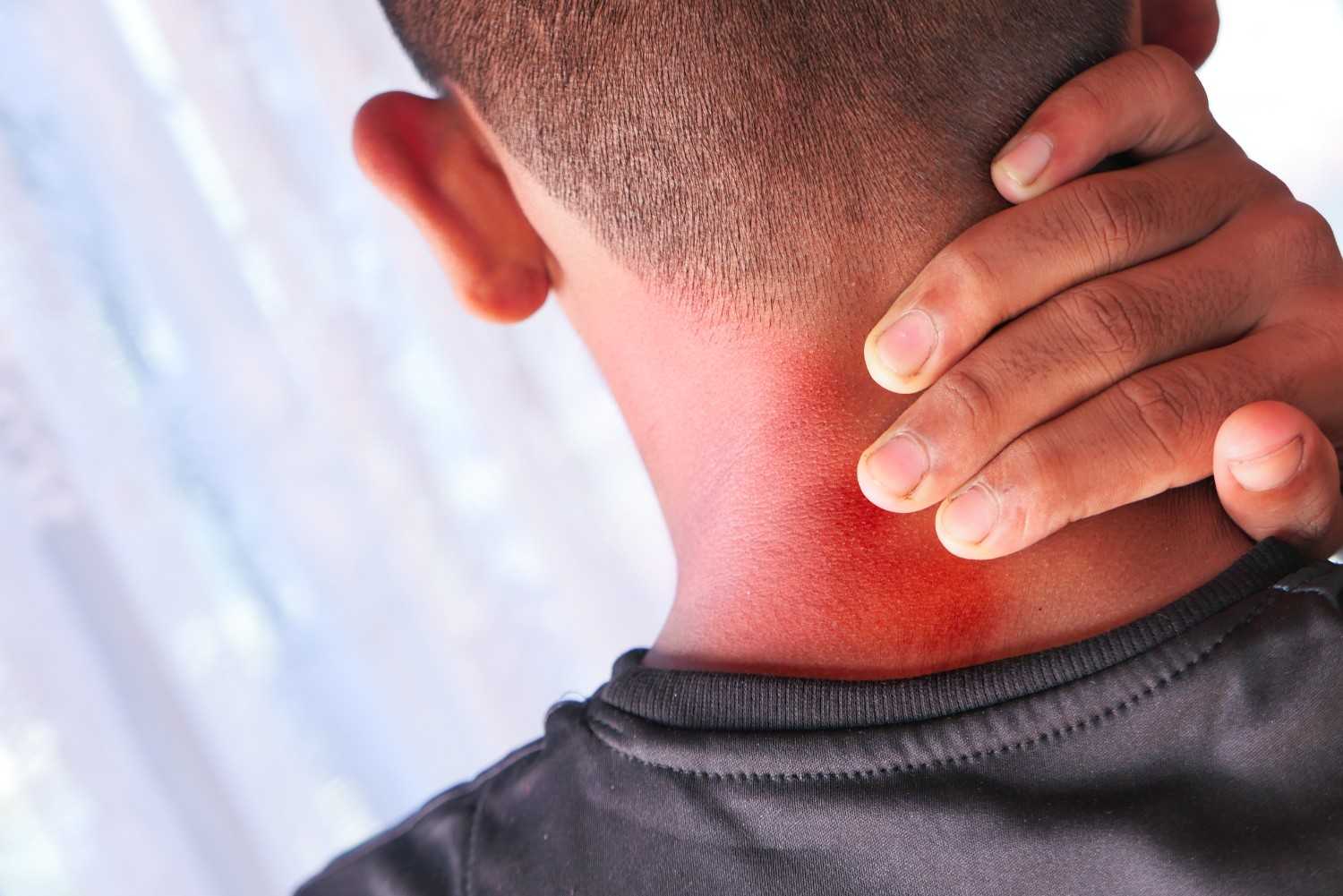
Healing isn’t linear. Anticipating hurdles helps you stay proactive.
Managing Pain and Discomfort
Pain peaks in days 3-5, then fades. Over-the-counter meds like acetaminophen pair with prescriptions. Heat after the first week soothes tight muscles. If pain spikes, call us. Better safe than sorry.
Swelling and Bruising
Your neck might look like a “bull neck” initially. Ice for 20 minutes hourly, elevate your head, and wear a soft compression wrap. Bruises fade in 2-3 weeks; arnica gel can speed it along.
Emotional Well-Being
Cancer surgery takes a toll mentally. Anxiety, “scanxiety” before follow-ups, or body image concerns are real. Lean on our compassionate team for counseling referrals, support groups, or just a listening ear. Fort Worth’s community resources, like Cancer Support Community North Texas, pair perfectly with our care.
Long-Term Recovery and Lifestyle Adjustments
Full recovery takes 4-12 weeks, depending on the neck dissection type. By month three, most resume work and hobbies.
Diet and Nutrition
Soft, nutrient-dense foods rule early: smoothies, yogurt, scrambled eggs, mashed potatoes. Protein (chicken soup, fish) rebuilds tissue; vitamin C-rich fruits fight infection. Avoid straws (they stress the site) and irritants like citrus or spice. Gradually add solids, chew slowly. A dietitian consultation ensures balanced nutrition for sustained energy.
Monitoring for Complications
Watch for red flags: fever over 101°F, pus from the wound, severe shortness of breath, or worsening numbness. Chyle leak (milky fluid drainage) is rare but needs prompt attention. With our advanced monitoring, complications drop significantly.
Long-term, protect your neck from the sun (use SPF 50+), quit smoking, and attend survivorship clinics. Annual scans track recurrence in ENT oncology.
At Fort Worth ENT & Sinus, we craft personalized plans for lasting wellness because recovery is about reclaiming your life.
Conclusion
Neck dissection marks a powerful step in beating head and neck cancer, but thoughtful recovery tips and post-surgery care make all the difference. From selective procedures to managing swelling, our board-certified team at Fort Worth ENT & Sinus stands ready with expert, compassionate guidance. Breathe easier knowing trusted local specialists have your back.
Ready to discuss your neck dissection recovery or next steps? Schedule a consultation today.
FAQs

Dr. Sean Callahan is a Board Certified Otolaryngologist at Fort Worth ENT & Sinus. Dr. Callahan performs surgery in all aspects of otolaryngology including pediatric ENT/Sinus, otology, rhinology, and sinus surgery, head and neck cancer surgery, salivary gland surgery, thyroid and parathyroid surgery, trauma, laryngology, allergy, and sleep medicine. Dr. Callahan completed his otolaryngology residency training at UT Southwestern Medical Center in Dallas in 2012. He was Board Certified by the American Board of Otolaryngology in 2013.
 Ear Tubes: When Are They Necessary?