
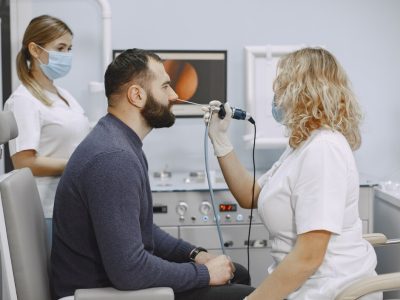
Endoscopic sinus surgery may be recommended if you have chronic sinusitis, recurring sinus infections, nasal polyps, or persistent nasal blockage that does not improve with medications and other non-surgical treatments. Most patients experience mild discomfort rather than significant pain. Any post-operative discomfort is usually manageable with prescribed medications and typically improves within a few days. Most patients return to normal daily activities within one to two weeks. However, complete healing of the sinuses may take several weeks, depending on the extent of the procedure. Patients should avoid heavy lifting, strenuous exercise, smoking, bending over frequently, and blowing their nose forcefully during the initial recovery period. Your surgeon will provide specific guidelines based on your case. As with any surgical procedure, there are potential risks, including bleeding, infection, anesthesia-related complications, and scar tissue formation. Serious complications are rare when the procedure is performed by an experienced ENT specialist. Start liquids/soft foods, prioritize protein and hydration. Avoid irritants; consult a nutritionist for tailored advice. Most return to normal in 6-12 weeks, though therapy aids speech/swallowing. Radical types take longer. Infection, swelling, nerve issues, or chyle leak. Vigilance and prompt care minimize risks. Expect 1-3 hospital days, then 4-12 weeks at home with rest, wound care, and follow-ups. Pain eases quickly with meds. Use prescribed meds, ice/heat, and rest. Stay ahead of discomfort by taking doses on schedule. No. One of the benefits of temperature-controlled radiofrequency neurolysis is that it can typically be performed as an in-office procedure without the need for major surgery or hospitalization. Unlike medications that manage symptoms through ongoing use, radiofrequency neurolysis targets the nerve pathways involved in chronic rhinitis symptoms. This may help reduce the need for long-term medication use and avoid certain medication-related side effects. According to the research published in the American Journal of Rhinology & Allergy, the procedure was found to be both safe and effective for treating chronic rhinitis, with patients experiencing meaningful symptom improvement. Temperature-controlled radiofrequency neurolysis is a minimally invasive procedure that targets the posterior nasal nerve area to help reduce chronic rhinitis symptoms such as nasal congestion, runny nose, and postnasal drip. Patients with allergic or nonallergic chronic rhinitis who continue to experience symptoms despite using medications or other conventional treatments may be candidates for this procedure. Most between 1-3 years, with a peak otitis media time. Babies under 1 rarely need them; we assess on a case-by-case. 6-18 months, typically, they extrude naturally. We monitor with follow-ups. Low: Slight discharge, scarring (rare). The benefits outweigh for chronic cases. Same day! Light play is okay; avoid water/swimming for 1-2 weeks. Yes, initially use earplugs or bands for baths/pools. Custom tips available at our clinic. Common symptoms include ear pain, hearing loss, ringing in the ears, dizziness, pressure, and fluid drainage from the ear. Small perforations may heal within a few weeks, while surgical recovery may take several weeks to a few months, depending on the severity of the condition. Yes. Many minor tears heal naturally with proper care, observation, and infection prevention. As with any surgery, there are small risks such as infection or temporary dizziness. However, modern surgical options are generally safe and highly successful. Avoid inserting objects into the ear, protect your ears from loud sounds, treat infections early, and manage pressure changes carefully during flying or diving. Start by searching online, reviewing patient feedback, checking physician credentials, and confirming insurance acceptance. Recommendations from primary care physicians can also be helpful. Look for experienced specialists, comprehensive services, positive patient reviews, modern technology, and convenient access to care. Most insurance plans cover medically necessary ENT evaluations and treatments, though coverage varies by provider and plan. ENT specialists diagnose and treat conditions involving the ears, nose, throat, sinuses, voice, swallowing function, hearing, allergies, and sleep disorders. Costs vary depending on location, insurance coverage, diagnostic testing, and the complexity of the visit. Contact the clinic directly for specific pricing information. Ongoing fatigue, bone discomfort, kidney stones, and high calcium levels on blood tests are common indicators. Follow fasting instructions, review medications with your doctor, and arrange support for the first day after surgery. Traditional surgery examines all glands, while minimally invasive approaches target a specific one. Scarless techniques avoid visible incisions but aren’t suitable for every case. Most people feel better within a week and return fully to routine activities within two to three weeks. Risks include temporary low calcium levels, minor infection, or voice changes. Long-term complications are rare with experienced surgical care. Yes, temporary cases may resolve without treatment. Chronic symptoms usually need medical care. If it lasts long, affects breathing, or causes repeated infections, it should be evaluated. Steam inhalation, saline rinses, and humidifiers are commonly helpful. Yes, untreated allergies can lead to chronic nasal congestion and blockage. Options depend on the cause and may include medications or procedures like septoplasty or endoscopic sinus surgery. If breathing problems persist despite medication and begin affecting sleep or daily comfort, surgery may be recommended. Most people get back to routine activities within a week, but full healing can take a few weeks. If the surgery is medically necessary, many insurance plans do cover it. It’s best to confirm with your provider. Risks are generally low but can include bleeding, infection, or temporary discomfort. Choosing an experienced specialist reduces these risks. Deviated septum, polyps, or allergies, scoping confirms. Yep, ear tubes for kids/adults drain fluid and cut infections 80%. CPAP first, then surgery, like UPPP or Inspire implants. Manageable usually means wax removal or hearing aids help most. Over two weeks, with white patches, or 5+ times yearly, could be tonsillitis or reflux. Inspire V is the latest Inspire sleep apnea device version, designed to treat obstructive sleep apnea by stimulating airway muscles during sleep. It features an integrated respiratory sensor, updated neurostimulator, and Bluetooth-enabled controls. The integrated respiratory sensor eliminates the need for a separate sensing lead, making the procedure less invasive and improving surgical efficiency. The new neurostimulator and Bluetooth-enabled remote offer more comfort and convenience. Adults with moderate to severe obstructive sleep apnea who cannot tolerate CPAP and meet certain health criteria may be eligible. A sleep study and consultation are required to confirm candidacy. The surgery is typically an outpatient procedure under general anesthesia. Most patients experience only mild discomfort afterward and return to normal activities within a few days. Schedule an appointment with one of our Physicians at Fort Worth ENT to see if you qualify to this new technology Nasal polyps are inflamed tissue from the nasal passages or sinus lining. They are soft, painless, and noncancerous. Your doctor will conduct a physical examination and may use imaging tests, such as a CT scan or an endoscopic exam, to view the inside of your nasal passages. Nasal polyps do not usually go away on their own. Treatment is typically needed to reduce their size and alleviate symptoms. Allergies can contribute to chronic inflammation in the nasal passages, which increases the risk of developing nasal polyps. Managing allergies can help reduce the likelihood of polyps forming. No, surgery is not always necessary. Many people find relief with medications such as nasal corticosteroid sprays, but surgery may be needed for larger or persistent polyps. To learn more, contact Fort Worth ENT & Sinus. Tonsil and adenoid surgery, also known as tonsillectomy and adenoidectomy, is a procedure to remove the tonsils and/or adenoids. This surgery is typically performed to treat chronic infections, sleep apnea, breathing difficulties, or recurrent sore throats. The goal is to improve the patient’s quality of life by reducing infections and alleviating related symptoms. Recovery from tonsil and adenoid surgery typically takes about 10 to 14 days. During this period, patients may experience a sore throat, mild pain, or difficulty swallowing. Drinking plenty of fluids, eating soft foods, and following the doctor’s post-surgery care instructions can help speed up recovery. While tonsil and adenoid removal surgery is generally safe, potential risks include bleeding, infection, adverse reactions to anesthesia, and temporary voice changes. It’s essential to discuss these risks with your doctor and follow their recommendations for minimizing complications. To prepare your child for surgery: Signs that a child may need tonsil and adenoid removal include: Frequent throat infections (five or more per year). Recovery from nasal valve collapse surgery typically takes 1-2 weeks for initial healing, with full recovery and optimal results noticeable within a few months. Follow-up care is important for monitoring progress. Nasal valve repair surgery can significantly improve breathing, reduce snoring, enhance sleep quality, and alleviate symptoms associated with nasal congestion or obstruction. Candidates for nasal valve repair surgery include individuals experiencing chronic nasal obstruction, difficulty breathing, or symptoms caused by nasal valve collapse that do not improve with non-surgical treatments. Nasal valve repair is a surgical procedure aimed at improving airflow through the nasal passages by correcting structural issues in the nasal valve, which is the narrowest part of the nasal airway. Nasal valve reconstruction typically involves reshaping or reinforcing the nasal cartilage and tissues to restore proper function and airflow. Techniques may include grafts from cartilage or other materials. If you experience persistent symptoms after treatment, it’s important to follow up with your healthcare provider. They may recommend further evaluation, adjustments to your treatment plan, or additional tests to identify underlying issues. Diagnosing a thyroid disorder typically involves a combination of a thorough medical history, physical examination, and blood tests to measure levels of thyroid hormones (T3, T4) and Thyroid-Stimulating Hormone (TSH). Imaging tests, such as ultrasound, may also be used to assess the thyroid gland’s structure. Yes, non-surgical options for chronic sinusitis include nasal corticosteroids, saline nasal irrigation, antibiotics for bacterial infections, and allergy management strategies. In some cases, lifestyle changes and home remedies may also provide relief. It is recommended to have a hearing evaluation every one to two years, or sooner if you notice changes in your hearing or balance. Regular check-ups can help detect issues early. Allergies are diagnosed through skin tests or blood tests. Treatment options may include avoidance strategies, antihistamines, nasal corticosteroids, or allergy shots (immunotherapy). Lifestyle changes that can help manage sleep apnea include maintaining a healthy weight, avoiding alcohol and sedatives, quitting smoking, and sleeping on your side instead of your back. To prepare for your appointment, bring a list of medications you are currently taking, any relevant medical records, and questions you may have about your condition or treatment options. Yes, we accept a variety of insurance plans. Please contact our office for a list of accepted insurance providers. Yes, our physicians are board-certified specialists in Otolaryngology (ENT) and are dedicated to providing high-quality care to our patients. During your first visit, you can expect a comprehensive evaluation that includes a medical history review, a physical examination, and any necessary diagnostic tests to determine the best treatment plan for your condition. We prioritize patient safety by following strict protocols, utilizing advanced technology, and ensuring that our team is highly trained in the latest medical practices and surgical techniques. Symptoms of hypothyroidism can include fatigue, weight gain, cold sensitivity, dry skin, constipation, and depression. If you experience these symptoms, consult a healthcare provider for evaluation. Thyroid disorders can be caused by autoimmune diseases, certain medications, prior thyroid surgeries, congenital issues, or hormonal imbalances. Identifying the cause is essential for effective treatment. Common pediatric ENT disorders include ear infections, tonsillitis, nasal obstructions, sleep apnea, and allergies. We offer specialized care for children with these conditions. Chronic sinusitis is a long-term inflammation of the sinuses, lasting over eight weeks. Diagnosis typically involves a thorough medical history, physical examination, and imaging tests such as CT scans or nasal endoscopy. Hearing loss is assessed through audiology evaluations. Treatment options may include hearing aids, cochlear implants, or surgical interventions like stapedectomy or tympanoplasty, tailored to the individual’s needs. We have a specialized hearing aid department to assist in hearing aid evaluations and fittings. You can schedule an appointment by calling 817-332-8848 or by completing the online appointment request form available on our website. Treatment options for sleep apnea include lifestyle changes, Inspire Implants, Continuous Positive Airway Pressure (CPAP) therapy, oral appliances, and surgical options depending on the severity of the condition. Balloon Sinuplasty is a minimally invasive procedure that alleviates chronic sinusitis by gently opening blocked sinus passages using a small, flexible balloon. Fort Worth ENT & Sinus provides a wide range of services, including treatment for allergies, sinus issues, sleep apnea, hearing loss, throat disorders, and pediatric ENT services.Helpie FAQ
Persistent breathing difficulties or snoring due to enlarged tonsils or adenoids.
Sleep apnea or disrupted sleep patterns.
Difficulty swallowing or chronic bad breath not resolved by other treatments.
A consultation with an ENT specialist can help determine if surgery is necessary.
ENT doctors, or otolaryngologists, are trained extensively in treating ear, nose, and throat conditions. Their expertise spans a wide range of care—from removing tonsils and treating sleep apnea to prescribing allergy medication and diagnosing throat cancer. Many patients also seek specialized care from BMT ENT for conditions requiring advanced surgical or medical interventions. After medical school, otolaryngologists complete a five-year surgical residency, with some pursuing one to two years of fellowship training to specialize further.
For comprehensive care from experienced ear, nose, and throat specialists, Fort Worth ENT & Sinus is here to help you find lasting solutions for your ear, nose, and throat health.
Understanding Otolaryngology
An otolaryngologist, commonly referred to as an ear, nose, and throat specialist, is a medical professional who diagnoses and treats conditions related to the head and neck. Their expertise includes both surgical and nonsurgical treatments, such as procedures involving bilateral ear tubes for patients with chronic ear infections or fluid buildup. If you’re looking for ENT doctors in Fort Worth highly rated, these specialists offer comprehensive care for a wide range of ear, nose, and throat conditions.
Becoming an otolaryngologist requires extensive training. After completing an undergraduate degree, aspiring otolaryngologists must graduate from an accredited medical school. After medical school, they undertake five years of specialized residency training in otolaryngology. Some practitioners specialize by pursuing advanced training in areas such as bilateral ear tubes placement and other surgical interventions.
Common Conditions Treated by ENT Specialists
Ear Disorders

Otolaryngologists address various ear-related conditions, including:
- Ear infections: Impacting the outer, middle, or inner ear.
- Tinnitus: Persistent ringing in the ears.
- Dizziness: A sense of unsteadiness often linked to inner ear issues.
- Vertigo: A spinning sensation distinct from general dizziness.
- Ruptured eardrum: A perforation in the tympanic membrane.
- Eustachian tube dysfunction: Blockage in the tubes connecting the middle ear to the throat.
- Hearing loss: Ranging from mild impairment to profound loss.
Nose Issues
ENT experts address a variety of nasal conditions, including:
- Sinusitis: Inflammation or infection of the sinuses.
- Allergies: Triggered by pollen, pet dander, or environmental irritants.
- Rhinitis: Inflammation of the nasal lining.
- Nosebleeds: Caused by infections, allergies, trauma, or dryness.
- Postnasal drip: Excess mucus dripping down the throat.
- Deviated septum: Misalignment of the cartilage dividing the nasal cavity.
- Nasal polyps: Noncancerous growths are often linked to allergies or chronic sinus issues.
- Nasal tumors: Growths in the nasal area, which may be benign or cancerous.
Throat Conditions
ENT specialists treat various throat issues, including:
- Sore throat: Caused by infections, allergies, or irritants.
- Tonsillitis: Infection of the tonsils.
- Laryngitis: Inflammation of the voice box and is diagnosed with Laryngoscopy.
- Swallowing difficulties: Dysphagia, caused by conditions in the mouth, throat, or esophagus.
- Vocal cord issues: Including nodules, dysfunction, or paralysis.
Thyroid disorders
The thyroid conditions require professional treatment, including:
- Thyroid Nodules: Abnormal growths in the thyroid that can enlarge over time, requiring professional evaluation.
- Thyroid enlargement: A swollen thyroid that may overproduce hormones, leading to hyperthyroidism.
Sleep Apnea and Allergies: How ENT Specialists Can Help
Understanding Sleep Apnea
Sleep apnea is when breathing repeatedly stops and starts during sleep, affecting health and quality of life. Ear, nose, and throat doctors play a key role in diagnosing and treating this disorder. Procedures such as BMT surgery can sometimes help address underlying causes. Early treatment is essential to prevent complications and improve sleep quality.
Symptoms of Sleep Apnea
Common symptoms include:
- Loud snoring
- Breathing pauses during sleep (noticed by others)
- Gasping for air
- Dry mouth upon waking
- Morning headaches
- Difficulty sleeping or insomnia
- Irritability
Not everyone with sleep apnea snores, so consult an ENT expert if you’re experiencing these symptoms. Don’t ignore sleep issues that leave you feeling drained and irritable.
Risk Factors for Sleep Apnea
Several factors can increase the likelihood of sleep apnea:
- Obesity: Fat deposits can block airways.
- Neck size: Larger necks may have narrower airways.
- Age: More common in older adults.
- Family history: A genetic predisposition increases risk.
- Alcohol or sedatives: These relax throat muscles, worsening sleep apnea.
- Smoking: Smokers are three times more likely to develop sleep apnea.
- Nasal congestion: Difficulty breathing through the nose.
Treating Sleep Apnea with Your ENT Specialist
ENT experts in ENT Fort Worth perform thorough evaluations, including medical history reviews, physical exams, and sleep studies to diagnose sleep apnea. This helps determine its type, severity, and the most effective treatment plan tailored to your needs.
The Link Between Allergies and Sleep Apnea
Allergies can disrupt sleep, affecting everyone who experiences allergic reactions, not just those with snoring and obstructive sleep apnea (OSA). Allergic rhinitis, triggered by allergens like pollen, pet dander, or dust mites, causes nasal congestion and irritation.
Common symptoms include:
- Itchy eyes
- Sneezing
- Runny nose
- Ear infections
- Breathing difficulties
- Sinus infections
- Daytime sleepiness
OSA occurs when the airway is blocked during sleep, leading to breathing interruptions such as snoring or pauses. Allergies can contribute to OSA by causing nasal congestion, but they may also irritate the tonsils or adenoids, which can swell and obstruct the airway, worsening OSA. In some cases, individuals with ear pain after tubes may also experience worsened nasal and airway issues, which can indirectly affect OSA symptoms.
Treatment Options for Sleep Apnea and Allergies

Allergies can disrupt sleep, but it’s important to distinguish whether they are temporary or contribute to a more serious condition like sleep apnea. Additionally, symptoms such as trouble swallowing thyroid can sometimes indicate underlying issues that may affect sleep quality.
If you suspect your nighttime allergy symptoms are worsening sleep-disordered breathing, getting tested is a crucial first step. A simple home sleep apnea test can help identify underlying issues, though a complete sleep study may sometimes be necessary.
Once diagnosed, proper treatment can significantly improve sleep, especially during allergy season. For some patients, managing related ear issues with ear drops after tubes can also help reduce discomfort and improve overall nighttime rest. You’ll soon be enjoying restful nights again.
If you have nighttime allergies, sleep apnea, or issues like thyroid sore throat, contact our sleep medicine center today to schedule an assessment and get the help you need.
When to See an ENT Specialist
Seeing an ENT professional is essential if you experience sleep apnea symptoms or persistent allergies. Searching for a pediatric ENT near me can help parents find the right specialist for their children. Early diagnosis and treatment can improve your quality of life and reduce the risks of untreated sleep apnea.
ENT Services and Treatments
ENT experts provide comprehensive diagnostic, medical, and surgical care for various conditions.
Diagnostic Services
ENT specialists use advanced tools, including:
- Imaging tests: CT scans and MRIs to identify sinus infections, tumors, or abnormalities in the ear, nose, or throat.
- Audiology testing: Hearing tests to assess hearing loss or other auditory issues.
- Hearing aid evaluations: Collaboration with audiologists to determine and adjust hearing aids as needed.
Medical and Surgical Treatments
Treatment options vary based on the condition:
- Allergy treatments: Medications, nasal sprays, and allergy shots.
- Sinus surgery: Surgery to address chronic sinus infections or blockages.
- Ear tube placement: For chronic ear infections, tubes help drain fluid and prevent recurrence.
- Inspire therapy: A surgical procedure to treat obstructive sleep apnea by stimulating airway muscles during sleep.
Pediatric ENT Care
ENT experts provide dedicated care for children dealing with ear infections, tonsillitis, snoring, and other ear, nose, and throat issues. They ensure treatments are customized to a child’s age, development, and specific needs, prioritizing safety and comfort.
When Should You See an ENT Expert?
Consult an ear, nose, and throat specialist if you experience any of the following symptoms or concerns related to your ears, nose, or throat:
- Chronic or recurring ear infections
- Difficulty hearing or hearing loss
- Frequent sinus infections or nasal congestion
- Hoarseness or difficulty speaking
- Persistent allergies or sinus issues
- Lumps or growths in the neck or throat
- Chronic snoring or sleep apnea
- Difficulty swallowing or pain while swallowing
- Newborn suffering from tongue-tie
Finding early help can ensure proper diagnosis and treatment for these conditions.
Why Choose Fort Worth ENT?
Selecting the right ENT experts is crucial for your health and well-being. Here’s why Fort Worth ENT & Sinus is the right choice for your care:
- Experienced Specialists: Our team of highly trained and compassionate ENT professionals is dedicated to delivering exceptional care.
- Advanced Care: We utilize advanced diagnostic tools and the latest treatments to achieve the best outcomes for our patients.
- Patient-Centered Approach: We prioritize your comfort and satisfaction, working with you to create a care plan tailored to your unique needs.
Conclusion
Whether you’re managing sleep apnea, chronic sinus issues, or hearing loss, ear, nose, and throat specialists are here to help improve your health and quality of life. Fort Worth ENT & Sinus combines cutting-edge treatments with a compassionate, patient-focused approach to address your needs.
Don’t wait to get the care you deserve. Schedule your appointment with Fort Worth ENT & Sinus today and take the first step toward better health!

Frequently Asked Questions
An ENT expert, also known as an otolaryngologist, is a doctor who specializes in diagnosing and treating conditions of the ears, nose, and throat. They manage problems related to hearing, breathing, swallowing, and speaking.
ENT specialists treat various conditions, including:
- Sinus infections
- Hearing loss
- Sleep apnea
- Allergies
- Tonsillitis
- Thyroid issues
- Snoring and voice problems
ENT specialists are trained to perform surgeries when necessary, including sinus surgeries, tonsillectomies, ear tube placements, and sleep apnea treatments.
Consult an ENT doctor if you experience:
- Chronic ear infections or hearing loss
- Frequent sinus issues or nasal congestion
- Hoarseness or difficulty speaking
- Sleep apnea or snoring problems
If you’re facing these symptoms, contact Fort Worth ENT & Sinus today for a thorough evaluation and personalized care plan.
Fort Worth ENT & Sinus stands out because of:
- Experienced specialists
- Advanced diagnostic tools and treatments
- A patient-centered approach
Book your appointment with us today to experience the best in ENT care!
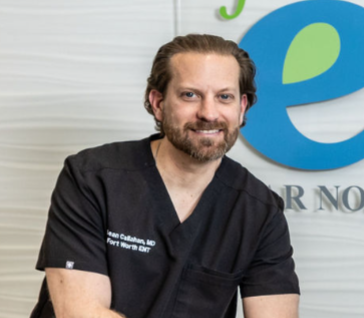
Dr. Sean Callahan is a Board Certified Otolaryngologist at Fort Worth ENT & Sinus. Dr. Callahan performs surgery in all aspects of otolaryngology including pediatric ENT/Sinus, otology, rhinology, and sinus surgery, head and neck cancer surgery, salivary gland surgery, thyroid and parathyroid surgery, trauma, laryngology, allergy, and sleep medicine. Dr. Callahan completed his otolaryngology residency training at UT Southwestern Medical Center in Dallas in 2012. He was Board Certified by the American Board of Otolaryngology in 2013.
 How to Prepare for Your Endoscopic Sinus Surgery